


The blood flow rate during dialysis directly impacts the effectiveness of treatment. A range of 300-500 mL/min is considered optimal, with 400 mL/min often targeted for achieving the best dialysis possible. Studies show that maintaining a blood flow to dialysate flow ratio within this range ensures optimal clearance of toxins. For effective hemodialysis, the filtration fraction typically stays between 25-30%, supporting efficient cleaning of the blood. Increasing blood flow within safe limits enhances kt/v values, improving patient outcomes. Individualized adjustments help balance safety and efficiency, ensuring optimal dialysis treatment for every patient.
Key Takeaways
- Keep blood flow between 300-500 mL/min for good dialysis. Try for 400 mL/min to remove toxins better.
- Adjust blood flow based on age and health needs. This keeps treatment safe and effective.
- Check vascular access often. Taking care of it avoids problems and keeps blood flowing well during dialysis.
- Work with your care team. Talking openly helps make better treatment plans and improves results.
- Know the dangers of high or low blood flow. High flow can harm, and low flow might not clean toxins enough.
The Importance of Blood Flow Rate During Dialysis
Impact of Blood Flow Rate on Toxin Removal
The blood flow rate during dialysis determines how effectively toxins are removed from the bloodstream. A higher flow rate allows more blood to pass through the dialyzer, increasing the clearance of waste products like urea and β2-microglobulin. Studies show that an 8-hour session with a flow rate of 190 mL/min achieved a 22.6% increase in urea removal compared to a 4-hour session at 350 mL/min. Similarly, the removal of β2-microglobulin improved by 39.2% under the same conditions. These findings highlight the importance of maintaining an optimal flow rate to enhance toxin removal and improve patient outcomes.
How Blood Flow Rate Affects Dialysis Efficiency?
Dialysis efficiency depends heavily on the flow rate. When blood flow is within the recommended range of 300-500 mL/min, the process achieves better clearance of toxins like indoxyl sulfate and p-cresyl sulfate. For example, reduction rates for these toxins reached 31.8% and 29.1%, respectively, during sessions with optimal flow rates. Additionally, research indicates that a mean blood flow of 265.2 mL/min, combined with a mean dialysate flow of 571.0 mL/min, resulted in a mean urea reduction ratio (URR) of 77.7%. These statistics demonstrate how proper flow rate adjustments can significantly enhance the efficiency of hemodialysis.
The Need for Personalized Blood Flow Rate Adjustments
Every dialysis patient has unique needs. Factors like age, weight, and cardiovascular health influence the ideal flow rate for each individual. Personalized adjustments ensure that the treatment is both safe and effective. For instance, increasing the flow rate beyond safe limits may damage vascular access or cause hemolysis, while a rate that is too low may lead to inadequate toxin removal. Dialysis care teams monitor these parameters closely to tailor the flow rate for each patient, balancing efficiency with safety. This personalized approach plays a vital role in achieving optimal treatment outcomes.
Factors That Influence Blood Flow Rate
Patient-Specific Factors
Patient-specific characteristics significantly influence the flow rate during dialysis. Age plays a critical role, as older patients often have reduced cardiovascular resilience, which may limit their ability to tolerate higher flow rates. Weight also impacts the flow rate, as larger individuals typically require higher rates to achieve effective toxin removal. Cardiovascular health is another key factor. Patients with conditions like heart failure or low blood pressure may need lower flow rates to avoid complications. Dialysis care teams carefully assess these factors to determine the most appropriate flow rate for each individual, ensuring both safety and treatment efficacy.
The Ccondition of Vascular Access
The functionality of vascular access directly affects the flow rate during dialysis. A well-functioning arteriovenous fistula or graft allows for consistent and adequate blood flow. However, complications such as stenosis or thrombosis can restrict flow, reducing the efficiency of hemodialysis. Regular monitoring of vascular access is essential to identify and address issues early. For example, pressure measurements can help detect stenosis in arterial or venous access points, enabling timely interventions. Maintaining vascular access health through proper care and routine evaluations ensures optimal flow rates and effective dialysis sessions.
Dialysis Machine Settings and Their Role in Regulating Flow Rate
Dialysis machine settings play a crucial role in regulating the flow rate. Adjustments to parameters like blood flow rate (Qb) and dynamic arterial line pressure (DALP) can optimize treatment outcomes. For instance, optimizing Qb within the recommended range enhances solute clearance and overall dialysis efficacy. Monitoring DALP helps diagnose catheter dysfunction, which can impact flow rates. The table below highlights key machine settings and their influence on flow rate:
| Evidence Type | Description |
|---|---|
| Dynamic Arterial Line Pressure (DALP) | Used to monitor and diagnose catheter dysfunction, impacting blood flow rates during hemodialysis. |
| Blood Flow Rate (Qb) | Optimizing Qb within a range enhances solute clearance and overall dialysis efficacy. |
| Pressure Measurements | Help diagnose stenosis in both arterial and venous access, influencing blood flow rates. |
Dialysis care teams rely on these settings to maintain the ideal flow rate, ensuring safe and effective treatment for dialysis patients.
The Role of the Care Team in Monitoring and Adjusting Blood Flow Rate

The care team plays a vital role in ensuring the success of dialysis by closely monitoring and adjusting the blood flow rate. Their expertise helps maintain the delicate balance between treatment efficiency and patient safety. Regular assessments of vascular access, such as arteriovenous fistulas (AVF) or grafts, allow the team to detect and address potential issues early. For example, stenosis or poor arterial blood supply can reduce flow rates, compromising the effectiveness of hemodialysis.
Advanced monitoring techniques, including temperature biosensors and Doppler ultrasound, enable precise evaluation of AVF blood flow. These methods have proven effective in reducing complications. Patients with flow rates consistently above 500 mL/min experience a significantly lower thrombosis rate of 4%. In contrast, those with regular surveillance and poor arterial blood supply show no thrombosis. This highlights the importance of proactive monitoring in improving patient outcomes.
The care team also adjusts dialysis machine settings to optimize flow rates. By fine-tuning parameters like blood flow rate and arterial line pressure, they ensure efficient toxin removal while minimizing risks. Collaboration among nephrologists, nurses, and technicians ensures that adjustments align with each patient’s unique needs. This personalized approach enhances the overall quality of care.
Effective communication between the care team and patients further supports treatment success. Educating patients about the importance of maintaining vascular access health empowers them to take an active role in their care. Together, these efforts ensure that the blood flow rate remains within the optimal range, promoting safe and effective dialysis sessions.
| Evidence Summary | Details |
|---|---|
| Monitoring Method | Regular surveillance of AVF blood flow using temperature biosensors and Doppler ultrasound |
| Effectiveness | Significant reduction in thrombosis rate when flow rates maintained above 500 ml/min |
| Patient Outcomes | 4% thrombosis rate in patients with flow > 500 ml/min; no thrombosis in patients with regular surveillance and poor arterial blood supply |
Risks and Trade-offs of Blood Flow Rate Variations
Complications of High Blood Flow Rates
High blood flow rates during dialysis can lead to complications that affect both the patient and the vascular access. Hemolysis, the destruction of red blood cells, is a significant risk when flow rates exceed safe limits. This condition can cause symptoms like fatigue, shortness of breath, and dark-colored urine. Additionally, excessive flow rates may strain the vascular access, particularly arteriovenous fistulas or grafts, leading to damage or even failure. Over time, this can result in stenosis or thrombosis, which reduces the efficiency of hemodialysis and necessitates surgical intervention. Regular monitoring of blood flow velocity (BFV) and pressure within the access helps mitigate these risks.
Risks of Low Blood Flow Rates
Low blood flow rates compromise the effectiveness of dialysis by reducing the clearance of toxins from the bloodstream. Insufficient flow limits the amount of blood passing through the dialyzer, leading to suboptimal removal of waste products like urea and creatinine. This can result in symptoms of uremia, such as nausea, confusion, and fatigue. Statistical data highlights the impact of low flow rates on blood flow velocity (BFV). For instance, the median BFV decreased from 56.5 to 47.5 cm/s during dialysis, with a median percentage decline of 14.00%. These reductions correlated with changes in blood pressure and ultrafiltration volume, emphasizing the importance of maintaining adequate flow rates to achieve optimal treatment outcomes.
| Evidence Type | Description |
|---|---|
| Median MFV Reduction | The median blood flow velocity (MFV) decreased from 56.5 to 47.5 cm/s during dialysis, with a significant p-value of <0.001. |
| Percentage Decline | The median percentage decline in MFV was 14.00% (IQR, 2.47–23.81%). |
| Correlation with Ultrafiltration | Cumulative ultrafiltration volume showed a significant correlation with MFV reduction (rho 0.356, p < 0.001). |
| Correlation with Blood Pressure Changes | Changes in systolic blood pressure (ΔSBP) and mean arterial pressure (ΔMAP) also correlated with MFV reduction (ΔSBP: rho 0.251, p = 0.005; ΔMAP: rho 0.194, p = 0.032). |
Balancing Flow Rate for Optimal Efficiency and Patient Safety
Achieving the right balance in blood flow rate during dialysis is essential for both efficiency and safety. Gradual adjustments in ultrafiltration rates help prevent excessive fluid removal, reducing the risk of intradialytic hypotension (IDH). Biofeedback-controlled dialysis systems provide real-time adjustments based on hemodynamic parameters, significantly lowering the incidence of IDH and enhancing patient safety. Individualized dialysis prescriptions, combined with routine monitoring of electrolytes and fluids, further improve outcomes while minimizing complications. These strategies ensure that the blood flow rate remains within the optimal range, promoting effective toxin removal and protecting vascular access.
- Gradual adjustments in ultrafiltration rates prevent excessive fluid removal and reduce the risk of intradialytic hypotension (IDH).
- Biofeedback-controlled dialysis systems allow real-time adjustments, significantly lowering IDH episodes and enhancing patient safety.
- Individualized dialysis prescriptions and routine monitoring of electrolytes and fluids improve patient outcomes and minimize complications.
Balancing the flow rate requires collaboration between the care team and the patient. Regular assessments and personalized adjustments ensure that the treatment remains both effective and safe.
Practical Tips for Maintaining Optimal Blood Flow Rate
Regular Monitoring and Adjustments by the Dialysis Care Team
Regular monitoring by the dialysis care team ensures that blood flow rates remain within the optimal range for effective treatment. Careful adjustments to the dialysate and blood flow rates can significantly improve the removal of toxins while protecting vascular access. For example, increasing the blood flow rate can help maintain waste clearance when the dialysate flow rate is reduced. However, this approach requires careful management to avoid compromising the integrity of the vascular access, such as an arteriovenous fistula. Dialysis care teams use advanced systems like the NxStage system to balance these parameters effectively, ensuring safe and efficient hemodialysis.
The impact of regular monitoring is evident in patient outcomes. Data shows that patients with a dialysate flow rate of 700 mL/min achieved a 94.1% success rate in reaching their treatment goals, compared to 82.4% at 400 mL/min. These adjustments, guided by the care team, play a critical role in optimizing dialysis sessions and improving patient health.
Ensuring Vascular Access Health Through Proper Care
Maintaining vascular access health is essential for achieving optimal blood flow rates during dialysis. Proper care of the access site, whether it is a fistula or graft, minimizes complications like stenosis or thrombosis. Patients should follow hygiene practices, such as cleaning the access site daily and avoiding pressure on the area. Regular evaluations by the care team can detect early signs of access dysfunction, allowing timely interventions.
Routine monitoring methods, including Doppler ultrasound and pressure measurements, help assess the functionality of the access. These techniques ensure that blood flow remains consistent, reducing the risk of complications. By prioritizing vascular access health, patients can experience more effective dialysis sessions and improved overall outcomes.
Consulting with a Nephrologist for Individualized Flow Rate Recommendations
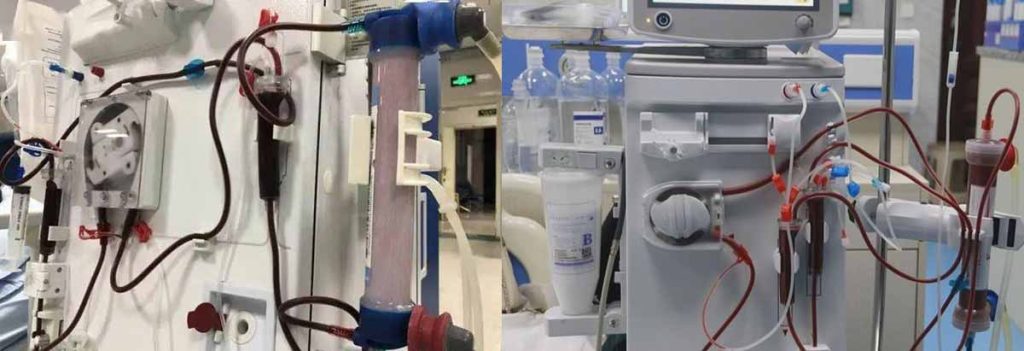
A nephrologist plays a vital role in tailoring blood flow rate recommendations to each patient’s unique needs. Factors like age, weight, and cardiovascular health influence the ideal flow rate for effective treatment. A nephrologist evaluates these factors and collaborates with the care team to create a personalized dialysis plan.
Patients should consult their nephrologist regularly to discuss any changes in their health or treatment response. This collaboration ensures that adjustments to the blood flow rate align with the patient’s condition, maximizing the efficiency of toxin removal while minimizing risks. Individualized recommendations from a nephrologist contribute to safer and more effective dialysis sessions.
Conclusion
Maintaining the optimal blood flow rate during dialysis is essential for successful treatment outcomes. The Dialysis Outcomes and Practice Patterns Study (DOPPS) highlights that higher blood flow rates improve fistula integrity and enhance toxin clearance, contributing to better survival rates. However, excessively high rates can cause complications like hemolysis and turbulence, which harm vascular access. Personalized adjustments based on patient-specific factors ensure safe and effective hemodialysis. Collaboration between dialysis patients and their care teams fosters proactive monitoring, helping to achieve the ideal balance for efficient dialysis and improved patient health.
FAQ
What is the ideal blood flow rate during dialysis?
The ideal blood flow rate typically ranges between 300-500 mL/min. Most patients aim for 400 mL/min to achieve effective toxin removal. However, the care team adjusts this rate based on individual factors like age, weight, and cardiovascular health.
Why is blood flow rate important in dialysis?
Blood flow rate determines how much blood passes through the dialyzer. Higher rates improve toxin clearance, enhancing treatment efficiency. However, excessively high or low rates can lead to complications, such as vascular access damage or inadequate toxin removal.
Can blood flow rate affect vascular access?
Yes, blood flow rate directly impacts vascular access health. High rates may strain the access, causing damage or stenosis. Low rates can lead to clotting or reduced efficiency. Regular monitoring ensures the access remains functional and healthy.
How does the care team monitor blood flow rate?
The care team uses advanced tools like Doppler ultrasound and pressure measurements to monitor blood flow. These methods detect issues early, allowing timely adjustments. Regular evaluations ensure the flow rate stays within the optimal range for safe and effective dialysis.
What should patients do to maintain optimal blood flow rate?
Patients should prioritize vascular access care by keeping the site clean and avoiding pressure. Regular consultations with a nephrologist help tailor the flow rate to individual needs. Following the care team’s advice ensures effective and safe dialysis sessions.