


Skipping dialysis can have serious consequences for your body. When you miss treatments, toxins and waste products build up in your blood. This can cause imbalances in minerals like potassium and phosphorus, which may lead to heart problems or weakened bones. Fluid overload is another risk. It can make you feel short of breath and might require emergency care. Over time, skipping dialysis can strain your cardiovascular system and increase the risk of life-threatening complications. Understanding what happens to your body when you skip dialysis is essential for protecting your health.
Key Takeaways
- Skipping dialysis lets harmful toxins build up in your blood. This can cause problems like feeling sick, confusion, or even seizures.
- Missing treatments can make fluids collect in your body. This may lead to swelling, high blood pressure, or trouble breathing, which might need emergency care.
- Not going to dialysis raises your chance of heart issues. It also makes life-threatening problems more likely.
- To avoid missing dialysis, talk with your healthcare team. Plan your appointments ahead of time, especially if you are traveling.
- Having support from family and friends can help you stay on track with dialysis. This can also make you feel healthier and happier.
Health Risks of Missing Dialysis Treatments
Toxin Buildup in the Blood
When you stop dialysis treatment, your kidneys can no longer filter waste and toxins from your blood. This leads to a dangerous condition called uremia. Uremia causes symptoms like nausea, fatigue, confusion, and even seizures. The buildup of toxic fluids in your body can also disrupt the balance of essential minerals. High potassium levels, for example, can cause irregular heartbeats or cardiac arrest. High phosphorus levels weaken your bones and increase your risk of heart disease. Without regular dialysis treatments, these toxins accumulate quickly, putting your life at risk.
Fluid Overload and Its Impact
Missing dialysis treatment allows fluids to build up in your body. This excess fluid causes swelling in your feet, ankles, wrists, and face, a condition known as edema. You may also experience discomfort from cramping, headaches, and abdominal bloating. Fluid overload can lead to high blood pressure, making it harder for your heart to function properly. In severe cases, fluid enters your lungs, causing shortness of breath and requiring emergency care. The table below highlights common complications caused by fluid overload:
| Complication | Description |
|---|---|
| Shortness of breath | Extra fluid in the lungs makes breathing difficult. |
| Heart problems | Excess fluid affects heart rate and size, leading to heart complications. |
| Swelling | Edema occurs in the feet, ankles, wrists, and face. |
| Discomfort | Cramping, headaches, and bloating cause significant discomfort. |
| High blood pressure | Extra fluid in the bloodstream raises blood pressure. |
Ignoring dialysis treatments increases the risk of these complications, which can have a negative impact on your overall health.
Cardiovascular Strain and Complications
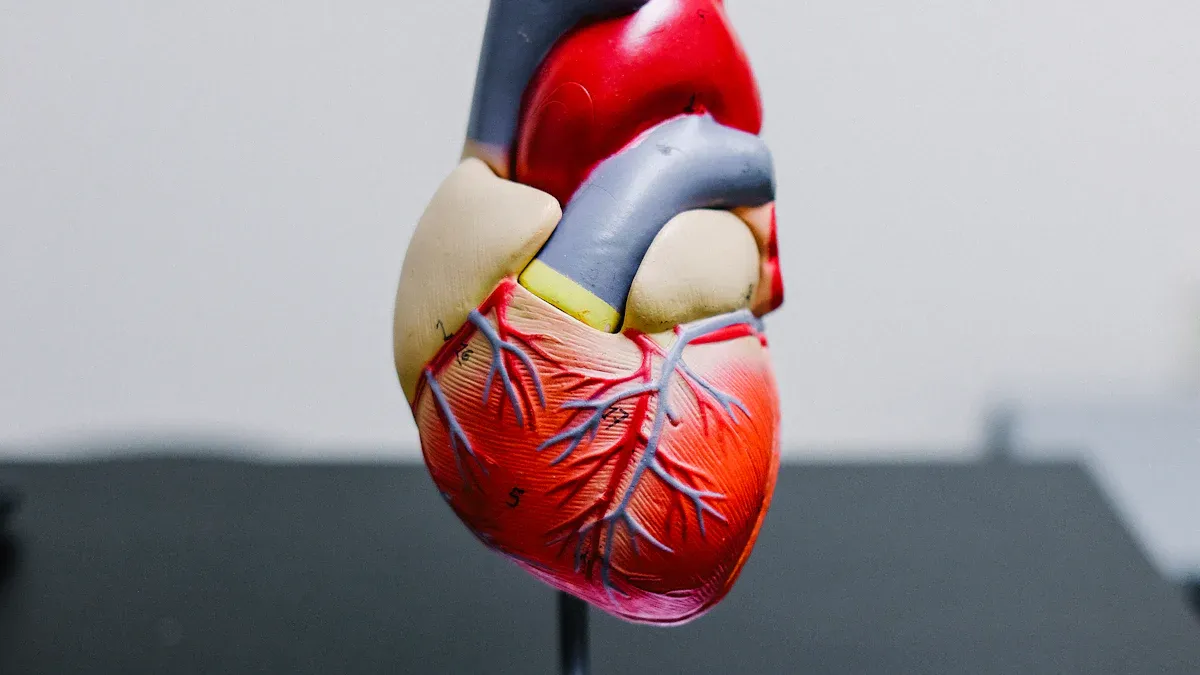
Skipping dialysis puts immense strain on your cardiovascular system. High potassium levels from missed treatments can lead to arrhythmias, heart attacks, or even death. Excess fluid forces your heart to work harder, which can enlarge it and weaken its function over time. Chronic kidney disease and end stage renal disease further increase your risk of heart-related health problems. High phosphorus levels from missed dialysis treatments also contribute to cardiovascular disease. These complications highlight the critical role dialysis plays in protecting your heart and overall health.
Increased Risk of Death from Missed Dialysis Treatments
Missing dialysis treatments significantly increases your risk of death. When you skip a session, toxins and waste products accumulate in your body. This buildup can lead to severe complications, including cardiovascular disease and respiratory distress. High potassium levels, caused by missed treatments, may trigger arrhythmias or even heart attacks. Elevated phosphorus levels weaken your bones and further increase your risk of heart disease. These conditions can quickly become life-threatening without proper intervention.
Non-attendance for dialysis has been linked to alarming mortality rates. Studies show that missing dialysis sessions raises mortality rates from 4.86 to 51.9 per 100 patient-years. The risk of death doubles after skipping the first session, with a hazard ratio of 2.04. Each missed treatment compounds the danger, making it critical to adhere to your dialysis schedule.
The effects of missing dialysis extend beyond toxin buildup. Fluid overload, a common consequence, can cause shortness of breath and swelling. In severe cases, it may require emergency medical care. Symptoms like fatigue, muscle weakness, and difficulty breathing often indicate rising toxicity levels in your body. These warning signs should never be ignored, as they signal the urgent need for dialysis.
To protect your health, prioritize attending every dialysis session. Missing even one treatment can have cumulative effects, increasing your risk of severe complications and death. If challenges arise, communicate with your healthcare team to find solutions. Your life depends on staying consistent with your dialysis treatments.
Why Patients Skip Dialysis?
Transportation and Accessibility Issues
Transportation challenges often prevent you from attending dialysis appointments. If you live far from a dialysis center or lack a personal vehicle, getting to your sessions can feel overwhelming. Rural areas with limited public transportation options make this even harder. Financial constraints, such as the cost of fuel or public transit, may also discourage you from seeking treatment.
Lack of transportation is one of the most common reasons for missed dialysis sessions. Missing treatments can lead to severe complications, including fluid buildup and increased toxin levels.

Dialysis requires three sessions per week, making reliable transportation essential. Studies show that longer travel times to treatment centers correlate with higher mortality rates and lower quality of life. To address these barriers, Non-Emergency Medical Transportation (NEMT) services offer affordable and accessible solutions. These services provide wheelchair-accessible vehicles, trained drivers, and Medicaid coverage to ease your financial burden. Scheduling rides in advance ensures you never miss a session, helping you stay on track with your treatment plan.
Scheduling Conflicts and Time Constraints
Balancing dialysis with your daily responsibilities can be challenging. Work, school, or family obligations may conflict with your treatment schedule. Sometimes, you might feel tempted to skip a session for an impromptu vacation or to handle unexpected events. However, missing even one treatment can have serious health consequences.
To manage your time effectively, consider reviewing your treatment plan with your healthcare team. They can help you identify ways to adjust your schedule. Engaging in enjoyable activities during dialysis, like reading or watching TV, can make the time feel more productive. Establishing a reliable transportation system also ensures you arrive on time, reducing the stress of juggling multiple commitments.
Emotional and Psychological Barriers to Dialysis
The emotional toll of dialysis can discourage you from attending sessions. Feelings of anxiety, depression, or isolation often weigh heavily on your mind. The physical discomfort of treatment, such as nausea or fatigue, adds to this burden. Worrying about transportation or financial issues can further compound your stress.
Research shows that emotional support systems play a crucial role in helping you cope. Sharing your feelings with family, friends, or mental health professionals can provide relief. Open communication fosters understanding and reduces emotional distance. If you feel overwhelmed, talk to the staff at your dialysis unit. They can offer guidance and connect you with resources to address your concerns. Remember, seeking help is a sign of strength, not weakness.
Financial Challenges and Insurance Problems
Financial difficulties often make it hard for you to stick to your dialysis schedule. The cost of transportation alone can feel overwhelming, especially if you rely on taxis or rideshare services multiple times a week. These expenses add up quickly, particularly when combined with the high cost of medical treatments. For many dialysis patients, this financial strain leads to skipped or delayed dialysis sessions, putting their health at serious risk.
Insurance coverage plays a critical role in helping you manage these challenges. Adequate insurance allows you to focus on your health without constantly worrying about the financial burden. It ensures you can afford regular treatments and stay prepared for opportunities like kidney transplants. Without proper coverage, you may face difficult choices between paying for dialysis and meeting other essential needs.
Unfortunately, recent changes in health policies have made this situation even more complicated. A U.S. Supreme Court decision now allows health plans to limit dialysis benefits. These restrictive terms can leave you financially vulnerable, making it harder to access the care you need.
Tip: If you’re struggling with costs, explore programs like Medicaid or nonprofit organizations that assist dialysis patients. Many resources exist to help you navigate financial and insurance challenges.
By addressing these barriers, you can take steps to ensure consistent treatment. Speak with your healthcare team about financial assistance options. They can guide you toward solutions that protect both your health and financial stability.
Practical Tips to Avoid Missing Dialysis Treatments

Communicate Openly with Your Healthcare Team
Building a strong relationship with your doctor can significantly improve your dialysis adherence. Open communication allows you to share concerns, ask questions, and better understand your treatment plan. Studies show that a strong patient-doctor alliance improves adherence, quality of life, and satisfaction with care. Trust and collaboration with your healthcare team ensure you stay on track and avoid missing a treatment. If you feel overwhelmed or unsure about any aspect of your care, reach out to your doctor for guidance. They can help you address challenges and make adjustments to your treatment plan when necessary.
Plan Ahead to Prevent Missed Dialysis Treatments
Planning ahead is one of the most effective ways to avoid missing a treatment. If you plan to travel, book dialysis appointments at a local center in advance. Your current dialysis center can assist in coordinating these arrangements. Regularly reviewing your treatment plan with your doctor can also help you identify areas for improvement. To make your sessions more enjoyable, consider bringing a book, watching TV, or even blogging during dialysis treatment. Establishing a reliable transportation system ensures you arrive on time and reduces the risk of missing a dialysis treatment. These proactive steps can help you maintain consistency in your care.
Build a Reliable Support System
A strong support system plays a vital role in helping you stay consistent with your dialysis treatments. Family and friends can provide reliable transportation, ensuring you never miss a treatment. They can also offer emotional support, helping you cope with anxiety or feelings of isolation. Support groups and community resources provide valuable information about managing dialysis and kidney disease. Encouragement from your support network boosts your energy and improves your overall well-being. With the right support, you can stay motivated and focused on your health.
Address Emotional and Mental Health Concerns
Dialysis can take a toll on your emotional and mental well-being. Feelings of anxiety, depression, or frustration often arise when managing a chronic condition. These emotions can make it harder for you to stay consistent with your treatments. Addressing your mental health is just as important as managing your physical health. Ignoring emotional struggles may lead to burnout, which can affect your overall quality of life.
Building emotional resilience starts with recognizing the importance of support systems. Surrounding yourself with people who care about you can make a significant difference. Family and friends can provide encouragement and help you feel less isolated. Professional counseling or therapy offers a safe space to express your feelings and develop coping strategies. Many dialysis centers also have social workers who can guide you through emotional challenges.
You can also explore community resources to strengthen your mental health. These include:
- Support groups where you can connect with others facing similar challenges.
- Educational programs that teach you how to manage stress and improve your outlook.
- Online forums that provide a sense of belonging and a platform to share experiences.
Taking small steps to care for your mental health can lead to big improvements. Practice mindfulness techniques like deep breathing or meditation to reduce stress. Journaling your thoughts can help you process emotions and gain clarity. Engaging in hobbies or activities you enjoy can also boost your mood and provide a sense of purpose.
Remember, seeking help is a sign of strength. If you feel overwhelmed, reach out to your healthcare team or a trusted individual. Prioritizing your mental health ensures you stay motivated and better equipped to manage your dialysis treatments.
Missing dialysis sessions can lead to severe health risks, but consistent adherence to your schedule offers long-term benefits. Regular treatments help control fluid retention and toxin buildup, protecting your heart and bones. They also improve your overall health and longevity, making dialysis a life-saving treatment. If challenges arise, seek support from nephrologists, family, or community resources like support groups. Remember, you are not alone. With proper care, a positive mindset, and emotional support, you can manage missed treatments and lead a fulfilling life.
FAQ
What happens if you miss one dialysis session?
Missing one session allows toxins and fluids to build up in your body. You may feel fatigued, short of breath, or experience swelling. Skipping even one treatment increases your risk of complications, so it’s important to stay consistent with your schedule.
Can you make up for a missed dialysis session?
You can reschedule a missed session by contacting your dialysis center. Your healthcare team may adjust your treatment plan to address the missed session. Always inform your care team promptly to minimize health risks.
How long can you survive without dialysis?
Without dialysis, survival depends on your kidney function and overall health. Most people with end-stage kidney disease survive only a few weeks without treatment. Dialysis removes toxins and fluids, making it essential for your survival.
What should you do if you feel too sick to attend dialysis?
If you feel unwell, contact your healthcare team immediately. They can assess your condition and provide guidance. Skipping dialysis when you’re sick can worsen your symptoms, so it’s crucial to seek medical advice.
Are there alternatives to in-center dialysis?
Yes, home dialysis options like peritoneal dialysis or home hemodialysis may offer more flexibility. Discuss these options with your doctor to determine if they suit your lifestyle and medical needs.
Tip: Always communicate openly with your healthcare team about challenges or concerns. They can help you find solutions to stay on track with your treatments.