


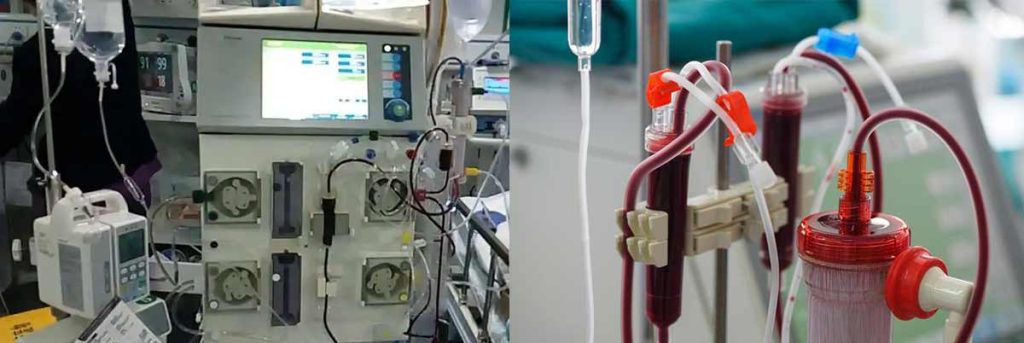
Dialysis patients often experience a decline in urine production as their kidney function diminishes. The frequency and volume of urination depend on several factors, including residual kidney function and the type of dialysis used. Hemodialysis patients may struggle with symptoms like nausea or low blood pressure during dialysis treatment, which can signal fluid management challenges. Research suggests that individuals labeled as dialysis-dependent rarely regain kidney function, further demonstrating the trend of reduced urine output over time. However, some patients continue to produce small amounts of urine, offering clues about their remaining kidney function.
Key Takeaways
- Not all dialysis patients stop peeing. Some still make small amounts of urine because their kidneys work a little.
- Having some kidney function is very important for health. It helps remove waste and control fluids, making dialysis easier.
- The kind of dialysis affects how much you pee. Peritoneal dialysis usually keeps kidney function better than hemodialysis.
- Peeing even a little makes life better. Patients who pee some have fewer fluid limits and feel more comfortable.
- Good habits, regular doctor visits, and the right medicine can help kidneys work longer and keep patients healthier.
Do Dialysis Patients Stop Urinating?
Why Some Dialysis Patients Still Urinate?
Not all dialysis patients stop making urine entirely. Some retain a degree of residual renal function, which allows their kidneys to continue filtering small amounts of waste and producing urine. This residual function varies widely among individuals and depends on factors such as the severity of kidney damage and the underlying cause of kidney failure. Patients with milder kidney disease or those who start dialysis earlier in their treatment journey are more likely to maintain some urine production.
Residual renal function plays a critical role in overall health. It helps remove toxins and excess fluid from the body, reducing the burden on dialysis treatments. Regular monitoring of urine volume provides valuable insights into a patient’s kidney health. For example, urine volume serves as an indicator of residual renal clearance, which is essential for solute removal. Studies show that patients with higher residual renal function tend to experience better survival rates and improved quality of life.
How Dialysis Impacts Urine Production?
Dialysis treatments, particularly hemodialysis, can significantly affect urine production over time. As the kidneys lose their ability to filter waste, the body relies more on dialysis to perform this function. This shift often leads to a gradual decline in urine output. Research highlights an inverse relationship between urine volume and urine osmolarity. As urine osmolarity increases, urine volume tends to decrease. This pattern reflects the kidneys’ reduced ability to concentrate urine, which often signals the progression of kidney failure.
The type and intensity of dialysis also influence changes in urine production. While increasing the dialysis dose may improve waste removal, it does not necessarily preserve residual renal function. This underscores the importance of balancing dialysis treatments with strategies to protect the kidneys’ remaining capacity to produce urine.
Hemodialysis vs. Peritoneal Dialysis and Urine Output
The type of dialysis a patient undergoes can impact their urine output differently. Hemodialysis, which involves filtering blood through a machine, often leads to a faster decline in residual renal function. This decline occurs because hemodialysis sessions are typically more intensive and intermittent, placing stress on the kidneys. On the other hand, peritoneal dialysis, which uses the lining of the abdomen to filter waste, tends to preserve residual renal function for a longer period. This method is gentler and performed more frequently, which may help maintain some level of urine production.
A comparison of these two dialysis methods reveals important differences in their effects on residual renal function. Patients undergoing peritoneal dialysis often report better fluid management and fewer complications related to fluid overload. Regular urine volume measurements in both types of dialysis help guide treatment adjustments, ensuring optimal solute clearance and patient outcomes.
| Key Findings | Description |
|---|---|
| Urine Volume | Serves as an estimator of residual renal clearance and solute removal in dialysis patients. |
| Residual Kidney Function (RKF) | A strong predictor of improved survival in both hemodialysis and peritoneal dialysis patients. |
| Dialysis Dose Impact | Increasing dialysis dose does not significantly affect mortality, highlighting the importance of RKF. |
| Measurement Methods | Traditional eGFR calculations are unreliable; more accurate methods are not feasible for routine use. |
| Clinical Relevance | Regular urine volume measurements guide dialysis initiation timing and prescription adjustments for optimal solute clearance. |
Understanding these differences helps patients and healthcare providers make informed decisions about dialysis options and strategies to preserve residual renal function.

Factors Affecting Urine Production
Residual Kidney Function and Its Role
Residual renal function plays a vital role in maintaining urine production for dialysis patients. Even with damaged kidneys, this function contributes to solute clearance, particularly in peritoneal dialysis patients. Sustained urine output allows for better fluid management, reducing the need for aggressive ultrafiltration. Patients with good urine output often experience more stable blood volume, which prevents complications like hypotension. This stability ensures proper organ perfusion, including the residual kidneys, creating a cycle that supports their preservation.
For home hemodialysis patients, residual renal function enables extended session lengths. This compensates for minor losses in clearance caused by lower ultrafiltration rates. By maintaining urine output, patients can enjoy more comfortable fluid intake and improved overall health.
Underlying Kidney Disease and Its Impact
The progression of underlying kidney disease significantly affects urine production. Studies emphasize the importance of residual renal function for the survival and quality of life of dialysis patients. Over time, urine output tends to decline, especially in those undergoing hemodialysis. However, the rate of this decline varies and remains poorly understood during the initial stages of treatment.
Chronic tubulointerstitial nephropathy has been identified as an independent predictor of urine volume. This condition, which involves inflammation and scarring of the kidney’s tubules, often leads to reduced urine production. Patients with this condition may experience a faster decline in residual renal function, further complicating their fluid management.
Medications and Their Influence on Urine Output
Certain medications can influence urine production in dialysis patients. For example, ACE inhibitors are associated with a decreased risk of urine volume loss. These drugs help protect the kidneys by reducing blood pressure and improving blood flow. However, not all medications have positive effects. Some may inadvertently harm residual renal function, leading to a faster decline in urine output.
Other factors, such as left ventricular hypertrophy (LVH), also play a role in urine production. LVH, a condition where the heart’s left ventricle thickens, can indirectly affect kidney function by altering blood flow. While age and sex have not shown significant associations with urine output, these findings may vary depending on sample sizes and study designs.
| Key Factors | Description |
|---|---|
| ACE Inhibitors | Associated with decreased risk of urine volume loss in dialysis patients. |
| Chronic Tubulointerstitial Nephropathy | Identified as an independent predictor of urine volume. |
| Left Ventricular Hypertrophy (LVH) | Another factor influencing urine production. |
| Age and Sex | No significant association found in studies with small sample sizes. |
Importance of Preserving Residual Kidney Function
Benefits of Maintaining Urine Production
Residual renal function plays a vital role in the lives of dialysis patients. Even small amounts of urine production can significantly benefit their health. By making urine, the body can naturally remove toxins and excess fluids, reducing the strain on dialysis treatments. This process helps maintain better fluid balance, which lowers the risk of complications like swelling or high blood pressure.
Patients who retain some urine output often experience fewer restrictions on fluid intake. This flexibility can improve their comfort and make daily life more manageable. Additionally, maintaining urine production supports the removal of certain waste products that dialysis may not eliminate effectively. These benefits highlight the importance of preserving residual renal function for as long as possible.
How It Supports Overall Health?
Residual renal function contributes to overall health in several ways. It helps regulate electrolytes, such as potassium and sodium, which are essential for proper muscle and nerve function. By maintaining this balance, patients can avoid serious complications like heart rhythm problems. Furthermore, urine production aids in controlling blood pressure, which is crucial for preventing cardiovascular issues.
Another key advantage is the reduced need for aggressive fluid removal during dialysis sessions. Patients with residual renal function often tolerate treatments better, as their bodies experience less stress from rapid fluid shifts. This stability promotes better organ function and reduces the risk of side effects like dizziness or fatigue. Preserving this function allows dialysis patients to maintain a healthier and more stable condition.
Connection to Quality of Life for Dialysis Patients

Residual renal function directly impacts the quality of life for dialysis patients. Those who continue making urine often report feeling more energetic and less burdened by fluid restrictions. This improvement in daily comfort can enhance their emotional well-being and overall outlook on life.
Maintaining urine production also allows for greater dietary flexibility. Patients may enjoy a wider variety of foods and beverages, which can improve their nutritional status and satisfaction with meals. Additionally, the ability to manage fluid levels more effectively reduces the likelihood of hospitalizations due to complications like fluid overload.
Healthcare providers emphasize the importance of preserving residual renal function because it supports both physical and emotional health. By focusing on strategies to protect this function, patients can experience a better quality of life while managing their condition.
Conclusion
Dialysis patients may still urinate, but their ability depends on residual kidney function and other individual factors. Preserving this function offers significant health benefits, including better fluid management and fewer complications. Patients who maintain some urine production often experience improved quality of life, as they face fewer challenges with fluid restrictions.
Adopting healthy habits and following medical advice can help dialysis patients support their remaining kidney function. Regular check-ups, proper medication use, and a balanced diet contribute to better outcomes. These steps empower patients to manage their condition effectively and maintain overall well-being.