


Pneumonia poses a significant threat to patients with kidney disease, especially those undergoing dialysis. Studies reveal that individuals with chronic kidney disease (CKD) face a 1.97-fold higher risk of pneumonia compared to those without CKD. The incidence density rate of pneumonia in CKD patients reaches 65.6 per 1000 person-years, far exceeding the 28.4 per 1000 person-years observed in non-CKD individuals. Dialysis for pneumonia becomes crucial as it helps address complications like fluid overload and toxin buildup, which can worsen respiratory conditions. Understanding these treatment options ensures better outcomes and reduces the risk of severe complications.
Key Takeaways
- People with kidney disease (CKD) are almost twice as likely to get pneumonia compared to those without CKD. Knowing this risk helps in better care.
- Dialysis helps manage pneumonia by removing extra fluids and toxins. This makes breathing easier and improves health.
- Spotting pneumonia signs early, like coughing and fever, is very important. Acting fast can stop serious problems.
- Vaccines and regular doctor visits lower the chance of pneumonia for dialysis patients. Being prepared is very important.
- Hemodialysis and peritoneal dialysis each have special benefits. Picking the right one can lower infection risks and help patients feel better.
Pneumonia and Kidney Health
Defining pneumonia
Pneumonia is a respiratory infection that inflames the air sacs in one or both lungs. These air sacs may fill with fluid or pus, leading to symptoms such as coughing, fever, chills, and difficulty breathing. The condition can result from bacterial, viral, or fungal infections. In severe cases, pneumonia can cause complications like respiratory failure, sepsis, or organ damage, particularly in individuals with weakened immune systems or chronic illnesses.
Impact of Pneumonia on Kidney Disease Patients
Pneumonia significantly affects patients with chronic kidney disease (CKD). Studies show that CKD patients face a 1.97-fold higher risk of developing pneumonia compared to those without CKD. The risk of outpatient pneumonia is 1.4 times higher, while the risk of inpatient pneumonia is 2.17 times higher. CKD patients often experience more severe forms of pneumonia, requiring hospitalization and intensive care.
The table below highlights the differences in pneumonia outcomes between CKD and non-CKD patients:
| Metric | CKD Patients | Non-CKD Patients | P-Value |
|---|---|---|---|
| High-risk pneumonia severity index (%) | 89.6 | 57 | < 0.001 |
| Mortality (%) | 15.8 | 8.3 | < 0.001 |
| Adjusted odds ratio for cardiac issues | 9.23 | N/A | N/A |
Pneumonia’s impact on kidney function can be severe. The infection increases the risk of hospitalization and mortality, making early detection and treatment critical for CKD patients.
Why Kidney Disease Increases Pneumonia Vulnerability?
Kidney disease weakens the immune system, making patients more susceptible to infections like pneumonia. CKD disrupts the body’s ability to filter toxins and maintain fluid balance, which can exacerbate respiratory conditions. Additionally, CKD patients often have other comorbidities, such as diabetes or cardiovascular disease, that further increase their vulnerability.
Infection is the second leading cause of death in patients with end-stage renal disease (ESRD), with pneumonia being one of the most common infections. Community-based studies have shown a strong link between CKD and pneumonia-related hospitalizations and mortality. Preventive measures, such as vaccination and regular medical checkups, play a vital role in reducing this risk.
Dialysis for Pneumonia Management
How Dialysis Helps Manage Pneumonia Complications?
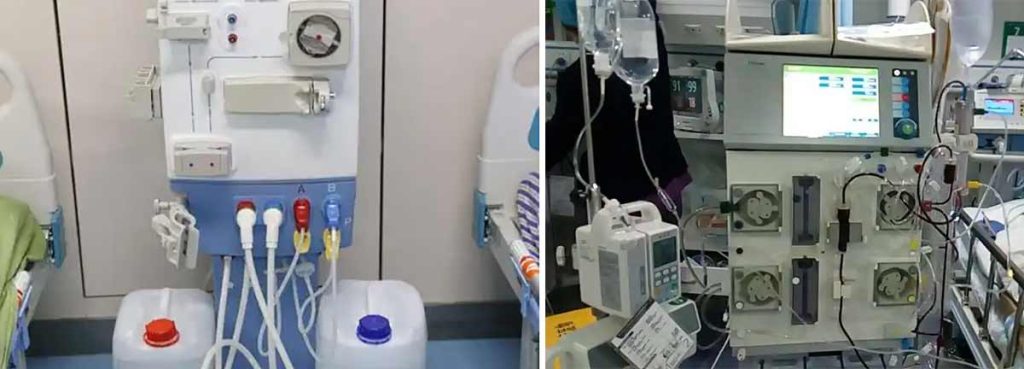
Dialysis for pneumonia plays a crucial role in managing complications that arise in dialysis patients. Pneumonia often leads to fluid buildup in the lungs, which can worsen respiratory distress. Dialysis helps remove excess fluid from the body, reducing the strain on the lungs and improving breathing. Additionally, it clears toxins that accumulate due to impaired kidney function, which can otherwise weaken the immune system and exacerbate the infection.
Patients with chronic kidney disease face a heightened risk of pneumonia-related complications. This risk exists independently of other health conditions. Studies show that renal impairment correlates with worse outcomes in pneumonia cases, emphasizing the importance of effective management strategies like dialysis.
- Chronic kidney disease increases the likelihood of infection-related hospitalizations.
- Pneumonia is one of the most common infections requiring hospitalization in these patients.
By addressing fluid overload and toxin buildup, dialysis for pneumonia provides essential support in managing these complications.
The Role of Hemodialysis in Severe Cases
Hemodialysis becomes particularly important in severe pneumonia cases. This method of dialysis directly filters the blood, removing waste products and excess fluids efficiently. In patients with end-stage renal disease, hemodialysis can stabilize critical conditions caused by pneumonia. It also helps maintain electrolyte balance, which is often disrupted during severe infections.
Research highlights the significant impact of hemodialysis in reducing pneumonia-related mortality. By improving overall health and reducing the burden of toxins, it supports the body’s ability to fight the infection. Hemodialysis is often used in hospital settings for patients experiencing severe respiratory distress or organ failure due to pneumonia.
Comparing Dialysis Methods and Their Ompact on Pneumonia Risk
Different dialysis methods can influence pneumonia risk in dialysis patients. Hemodialysis and peritoneal dialysis are the two primary options. Studies comparing these methods reveal differences in hospitalization rates and outcomes.
| Finding | Detail |
|---|---|
| Hospitalization Rate | Increased over 4-fold in the month of pneumonia diagnosis |
| Baseline Admissions | 309 admissions/100 patient-years before pneumonia |
| Comparison to General Population | 14 to 16-fold higher pneumonia-related mortality in CKD patients than the general population |
Patients undergoing hemodialysis may face a slightly higher risk of infection due to frequent hospital visits. However, peritoneal dialysis, which is performed at home, may reduce exposure to hospital-acquired infections. Both methods require careful monitoring to minimize pneumonia risk and ensure effective treatment.
Risk Factors and Symptoms
Key Risk Factors for Pneumonia in Kidney Disease
Patients with kidney disease face a higher risk of developing pneumonia due to several contributing factors. Chronic kidney disease (CKD) weakens the immune system, making it harder for the body to fight infections. Comorbid conditions such as diabetes, cardiovascular disease (CVD), and chronic obstructive pulmonary disease (COPD) further increase susceptibility. Studies show that individuals with CKD have an adjusted hazard ratio (aHR) of 1.97 for pneumonia, while those with COPD face an even higher aHR of 1.89. Male gender and hypertension also contribute to increased vulnerability.
| Risk Factor | Adjusted Hazard Ratio (aHR) | 95% Confidence Interval (CI) | P-value |
|---|---|---|---|
| Chronic Kidney Disease | 1.97 | 1.89–2.05 | < 0.001 |
| Male Gender | 1.13 | 1.07–1.19 | |
| Comorbid Diabetes | 1.12 | 1.05–1.19 | |
| Comorbid CVD | 1.11 | 1.04–1.20 | |
| Comorbid Asthma | 1.66 | 1.56–1.79 | |
| Comorbid COPD | 1.89 | 1.77–2.02 | |
| Comorbid Hypertension | 1.10 | 1.04–1.16 |
The prevalence of these risk factors highlights the importance of preventive measures and regular monitoring for individuals with kidney disease.
Recognizing Symptoms Early
Early recognition of pneumonia symptoms is critical for timely treatment. Common symptoms include persistent coughing, fever, chills, and shortness of breath. Patients with kidney failure may experience more severe symptoms due to their compromised immune systems. Fatigue, confusion, and chest pain are additional warning signs that should not be ignored. Recognizing these symptoms early can prevent complications and improve outcomes.
The Importance of Timely Diagnosis
Timely diagnosis plays a vital role in managing pneumonia in kidney disease patients. Research indicates that CKD patients are at a higher risk of pneumonia-related hospitalization and mortality. Early detection allows for prompt treatment, reducing the severity of the infection and preventing further complications. Studies such as “Point of Care eGFR and the Prediction of Outcomes in Pneumonia” emphasize the need for rapid diagnostic tools to assess kidney function and predict outcomes in pneumonia cases. Proactive medical care can significantly improve survival rates and quality of life for dialysis patients.
Treatment Options for Pneumonia
Antibiotics and Supportive Care
Antibiotics remain the cornerstone of pneumonia treatment, especially when bacterial infections are the cause. Physicians often prescribe broad-spectrum antibiotics initially, followed by targeted therapy once the specific pathogen is identified. For patients with chronic kidney disease, careful selection of antibiotics is essential. Impaired kidney function can affect how the body processes medications, requiring dosage adjustments to avoid toxicity.
Supportive care plays a vital role in managing pneumonia symptoms. Oxygen therapy helps improve breathing in patients with respiratory distress. Pain relievers and fever reducers alleviate discomfort, while hydration supports overall recovery. For individuals with kidney failure, fluid intake must be closely monitored to prevent complications like fluid overload. Combining antibiotics with supportive care ensures a comprehensive approach to treating pneumonia.
Dialysis as Part of Pneumonia Treatment
Dialysis serves as a critical component of pneumonia management in patients with chronic kidney disease. Pneumonia often worsens kidney function by increasing inflammation and fluid retention. Dialysis helps address these issues by removing excess fluids and toxins from the bloodstream. This process reduces the strain on the lungs and other organs, improving the patient’s overall condition.
In cases of severe pneumonia, dialysis can stabilize patients experiencing kidney failure. By maintaining electrolyte balance and clearing waste products, dialysis supports the body’s ability to recover from the infection. It also minimizes the risk of complications, such as sepsis or respiratory failure, which are common in advanced cases.
Managing Fluid and Toxin Levels with Hemodialysis
Hemodialysis is particularly effective in managing fluid and toxin levels during pneumonia treatment. This method filters the blood through a machine, removing harmful substances that the kidneys can no longer eliminate. For patients with chronic kidney disease, hemodialysis prevents fluid buildup in the lungs, which can exacerbate pneumonia symptoms.
Maintaining proper fluid balance is crucial for patients with kidney failure. Excess fluid can lead to pulmonary edema, a condition where fluid accumulates in the lungs, making breathing difficult. Hemodialysis addresses this issue by precisely removing the right amount of fluid. Additionally, it helps regulate electrolyte levels, ensuring that vital bodily functions remain stable during recovery. This targeted approach makes hemodialysis an indispensable tool in pneumonia management for kidney disease patients.
Prevention and Long-Term Care
Preventive Measures for Pneumonia
Preventing pneumonia in kidney disease patients requires a proactive approach. Maintaining optimal kidney function is essential for reducing vulnerability to infections. Patients should adopt healthy lifestyle habits, including balanced nutrition and regular physical activity, to strengthen their immune systems. Avoiding smoking and limiting alcohol consumption further reduces the risk of respiratory infections.
Healthcare providers recommend frequent handwashing and avoiding contact with individuals who have contagious illnesses. For patients with acute kidney injury or chronic kidney disease, monitoring kidney function regularly helps identify early signs of complications that could increase pneumonia susceptibility.
Long-term care studies emphasize the importance of preventive strategies for dialysis patients. The table below highlights findings from a study on pneumonia prevention among end-stage renal disease (ESRD) patients:
| Study Title | Findings | Implications |
|---|---|---|
| The clinical and economic burden of pneumonia in patients enrolled in Medicare receiving dialysis | Pneumonia poses a significant clinical and economic burden among ESRD patients. | Focus on pneumonia prevention measures, including vaccination, is crucial for improving outcomes among frail ESRD patients receiving dialysis. |
The Role of Vaccination

Vaccination plays a critical role in preventing pneumonia among kidney disease patients. The pneumococcal vaccine protects against common bacterial strains that cause pneumonia. Influenza vaccination further reduces the risk of respiratory infections during flu season. Patients with acute kidney injury or chronic kidney disease benefit significantly from these preventive measures, as their weakened immune systems make them more susceptible to infections.
Healthcare providers recommend vaccination schedules tailored to individual needs. Dialysis patients, especially those undergoing hemodialysis, should prioritize vaccinations to minimize exposure to hospital-acquired infections. Vaccination not only reduces the risk of pneumonia but also lowers the likelihood of severe complications, improving overall health outcomes.
Regular Medical Checkups and Monitoring
Regular medical checkups are vital for early detection of pneumonia in kidney disease patients. Physicians monitor kidney function to assess the impact of chronic conditions on overall health. Early identification of risk factors, such as fluid retention or electrolyte imbalances, helps prevent complications like acute kidney injury.
Studies highlight the importance of routine monitoring for CKD patients. These checkups allow healthcare providers to identify early signs of pneumonia and develop predictive models for assessing its severity. Regular monitoring ensures timely intervention, reducing hospitalization rates and improving survival outcomes.
Unordered list summarizing findings:
- Identifying risk factors linking chronic kidney disease and pneumonia outcomes.
- Developing predictive models for assessing pneumonia severity in CKD patients.
- Highlighting the necessity of regular checkups for early detection.
By prioritizing preventive measures, vaccination, and consistent monitoring, kidney disease patients can reduce pneumonia risks and improve long-term health outcomes.
Conclusion
Patients with chronic kidney disease face a high risk of pneumonia, both in outpatient and inpatient settings. This vulnerability exists independently of other health conditions, making effective management strategies essential. Dialysis plays a pivotal role in addressing complications like fluid overload and toxin buildup, which can worsen respiratory infections. Hemodialysis, in particular, provides critical support for severe cases by stabilizing kidney function and improving overall health.
Early detection and prevention remain vital for reducing pneumonia risks. Regular medical checkups, vaccinations, and healthy lifestyle choices strengthen the immune system and enhance long-term outcomes. Proactive care empowers patients to maintain kidney health and minimize infection-related complications.