


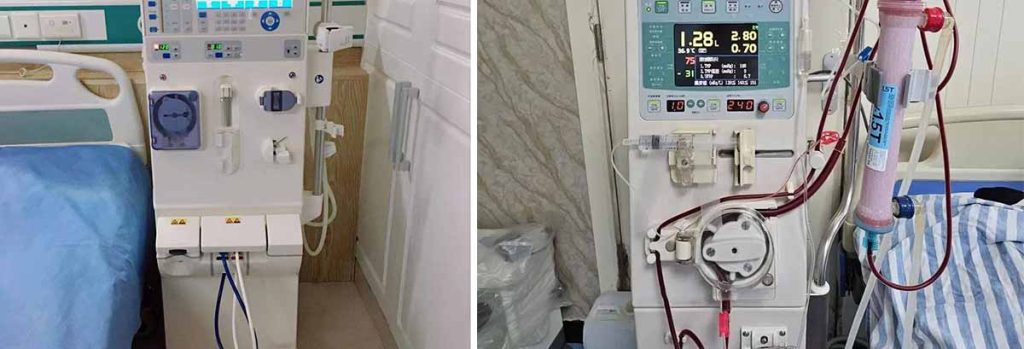
A dialysis shunt is a surgical connection between a vein and an artery. This connection creates a reliable pathway for blood to flow during dialysis treatment. Dialysis removes waste, toxins, and excess fluids from the blood when the kidneys can no longer perform this function.
For dialysis patients with kidney failure, a dialysis shunt plays a critical role in maintaining their health. It ensures efficient blood flow, which is essential for the success of dialysis sessions. Without it, accessing the bloodstream repeatedly would be challenging and less effective.
Key Takeaways
- A dialysis shunt links an artery to a vein. This helps blood flow well for dialysis treatment to work.
- Putting in a dialysis shunt early, like an arteriovenous fistula, helps dialysis patients feel better and avoids problems.
- Checking the shunt often and taking care of it stops infections and keeps it working.
- Patients should watch for problems like swelling or redness and tell their doctor right away.
- Teaming up with doctors improves treatment and keeps the shunt working well.
Why Is a Dialysis Shunt Needed?
Dialysis and Kidney Failure
Kidney failure occurs when the kidneys lose their ability to filter waste and excess fluids from the blood. This condition, known as end-stage kidney disease (ESKD), often requires dialysis to sustain life. Dialysis mimics the function of healthy kidneys by removing toxins and maintaining the body’s chemical balance. However, for dialysis to work effectively, a reliable way to access the bloodstream is essential.
Studies show that vascular access significantly impacts patient outcomes. For example, dialysis patients using central venous catheters for dialysis have higher mortality rates compared to those with arteriovenous fistulas or grafts. Establishing a dialysis shunt early in chronic kidney disease can improve survival rates and reduce complications.
The Need for Reliable Vascular Access
Reliable vascular access is critical for the success of hemodialysis. A dialysis shunt, such as an arteriovenous fistula (AVF) or graft (AVG), provides a durable and efficient connection between an artery and a vein. This connection allows for high blood flow, which is necessary for effective dialysis sessions. Without a stable access point, dialysis patients may face frequent interruptions in treatment, leading to poor health outcomes.
Research highlights the advantages of arteriovenous shunts over other access types. AVFs, for instance, have fewer complications, lower infection rates, and longer durability compared to synthetic options or central venous catheters. These benefits make them the preferred choice for long-term dialysis.
When a Dialysis Shunt Is Recommended?
Healthcare providers recommend a dialysis shunt when patients with chronic kidney disease approach the need for regular dialysis. Early placement of an AVF or AVG is crucial to avoid reliance on temporary solutions like central venous catheters, which carry higher risks of infection and complications. Clinical guidelines suggest that native AVFs are ideal due to their durability and lower complication rates.
The type of vascular access chosen depends on individual factors, including the patient’s overall health and the condition of their blood vessels. For example, synthetic grafts may be used when veins are unsuitable for creating a fistula. Regardless of the type, the goal remains the same: to ensure safe and effective dialysis.
How Does a Dialysis Shunt Work?
Blood Flow in Dialysis
A dialysis shunt plays a vital role in ensuring efficient blood flow during hemodialysis. By connecting an artery to a vein, it creates a high-pressure system that allows blood to flow at a rate suitable for dialysis. This increased flow rate enables the dialysis machine to filter blood effectively, removing waste products and excess fluids from the body. Without this enhanced blood flow, dialysis sessions would take longer and be less effective.
The type of vascular access used significantly impacts blood flow rates and patient outcomes. The table below highlights the differences between common vascular access types:
| Vascular Access Type | Blood Flow Rate (ml/min) | Advantages | Complications Compared to Other Types |
|---|---|---|---|
| Native Arteriovenous Fistula | Up to 600 | Fewer complications, longer durability | Fewer than synthetic shunts and catheters |
| Synthetic Polytetrafluoroethylene Fistula | Up to 600 | More complications than native fistulas | More than native fistulas |
| Central Venous Catheter | Varies | Quick access, but higher complication rates | Higher than both fistula types |
This table demonstrates why native arteriovenous fistulas are often preferred for long-term dialysis.
Types of Dialysis Shunts
AV Fistula
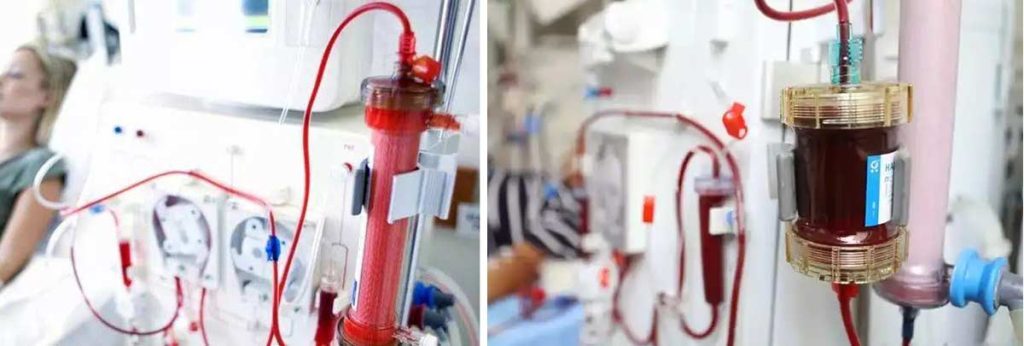
An arteriovenous (AV) fistula is a direct connection between an artery and a vein. Surgeons typically create it in the arm. This type of dialysis shunt is considered the gold standard due to its durability and lower risk of complications. AV fistulas require time to mature, allowing the vein to strengthen and handle the increased blood flow. Once matured, they provide reliable access for dialysis.
AV Graft
An AV graft uses a synthetic tube to connect an artery and a vein. This option is suitable for patients whose veins are not strong enough for an AV fistula. AV grafts offer quicker access compared to fistulas, as they do not require a long maturation period. However, they carry a higher risk of infection and clotting, making them less ideal for long-term use.
Supporting Dialysis Efficiency
A well-functioning dialysis shunt ensures that blood flow remains consistent and sufficient for effective dialysis. Regular monitoring and proper care of the shunt are essential to prevent complications such as blockages or infections. Patients should follow their healthcare provider’s instructions to maintain the shunt’s functionality. This proactive approach helps maximize the efficiency of dialysis sessions and improves overall treatment outcomes.
The Procedure for Placing a Dialysis Shunt
Preparing for the Procedure
Before placing a dialysis shunt, healthcare providers conduct a thorough evaluation. They assess the patient’s overall health and examine the condition of their blood vessels. This evaluation helps determine the most suitable type of shunt, such as an arteriovenous fistula or graft.
Dialysis patients may undergo imaging tests like ultrasound or vein mapping. These tests provide detailed information about the blood vessels. Providers also review the patient’s medical history to identify any potential risks.
To prepare for surgery, patients receive instructions on fasting and medication adjustments. For example, they may need to stop taking blood-thinning medications temporarily. Following these guidelines ensures a safer procedure and reduces complications.
The Surgical Process
The surgical process for placing a dialysis shunt typically occurs in an outpatient setting. Surgeons use local anesthesia to numb the area, ensuring the patient remains comfortable. The procedure involves creating a connection between an artery and a vein, either directly or using a synthetic graft.
For an arteriovenous fistula, the surgeon connects the artery and vein directly. This allows the vein to grow stronger over time. In the case of an arteriovenous graft, a synthetic tube bridges the artery and vein. This option is used when the patient’s veins are unsuitable for a fistula.
The surgery usually takes one to two hours. After completing the procedure, the medical team monitors the patient for any immediate complications.
Recovery and Healing
Recovery from dialysis shunt surgery varies depending on the type of shunt placed. For an arteriovenous fistula, the healing process may take several weeks. This time allows the vein to mature and handle increased blood flow. In contrast, an arteriovenous graft can often be used sooner, as it does not require a maturation period.
Patients receive detailed care instructions to promote healing. These include keeping the surgical site clean and avoiding heavy lifting. Regular follow-up appointments help monitor the shunt’s functionality and detect any issues early. Proper care during recovery ensures the shunt remains effective for dialysis.
Risks and Complications of a Dialysis Shunt
Common Risks
Infection
Infections represent one of the most frequent risks associated with a dialysis shunt. Bacteria can enter the bloodstream through the surgical site, leading to localized or systemic infections. Symptoms such as redness, swelling, warmth, or discharge around the shunt site may indicate an infection. Early detection and treatment with antibiotics can prevent severe complications. Maintaining proper hygiene and following medical advice reduces the likelihood of infection.
Blood Clots
Blood clots can form within the shunt, obstructing blood flow and impairing dialysis efficiency. This complication often results from improper blood flow or damage to the blood vessels. Patients may notice swelling or pain near the shunt, which requires immediate medical attention. Regular monitoring and anticoagulant medications help minimize the risk of clot formation.
Long-Term Complications
Over time, dialysis shunts may develop complications that affect their functionality. Narrowing of blood vessels (stenosis) and shunt failure are common issues. These problems can reduce blood flow, making dialysis less effective. The table below highlights long-term survival and complication rates for different vascular access types:
| Vascular Access Type | Long-term Survival Rate | Complications Rate |
|---|---|---|
| Central Venous Catheters | Lowest | Highest |
| Arteriovenous Shunts | Higher | Lower |
Arteriovenous shunts, including fistulas and grafts, generally offer better long-term outcomes compared to central venous catheters. However, regular maintenance and monitoring remain essential to ensure their longevity.
Recognizing Warning Signs
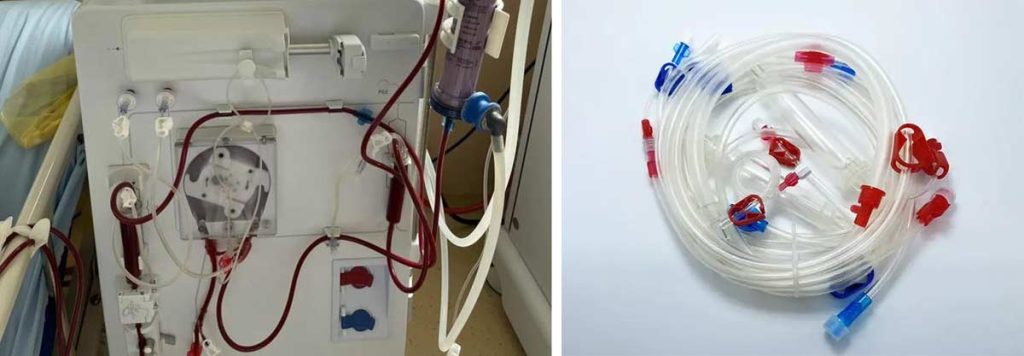
Identifying early warning signs of complications can prevent serious health issues. The table below outlines common signs and their implications:
| Early Warning Signs | Description |
|---|---|
| High venous pressure | Indicates potential vascular access dysfunction. |
| Difficulty achieving hemostasis | Suggests complications at the end of dialysis sessions. |
| Ipsilateral limb, face, chest wall edema | Symptoms that may indicate underlying central vein obstructions. |
Patients should report these symptoms to their healthcare provider promptly. Regular check-ups and imaging tests can help detect problems early, ensuring the dialysis shunt remains functional and effective.
Conclusion
A dialysis shunt serves as a lifeline for patients undergoing hemodialysis. It ensures efficient blood flow, enabling the removal of toxins and excess fluids. Proper care and regular monitoring are essential to maintain its functionality and prevent complications.
- Regular check-ups improve the quality of care for dialysis patients.
- Consistent care reduces mortality and hospitalization rates.
- Addressing therapeutic targets lowers the risk of adverse outcomes.
Dialysis patients should work closely with healthcare providers to ensure the shunt remains effective. Personalized advice and timely interventions can significantly enhance treatment outcomes.
FAQ
What Is the Lifespan of a Dialysis Shunt?
The lifespan of a dialysis shunt depends on its type and care. An arteriovenous fistula can last many years with proper maintenance. Synthetic grafts typically have shorter lifespans, often requiring replacement after a few years. Regular monitoring ensures longer functionality.
How Can Patients Care for Their Dialysis Shunt?
Dialysis patients should keep the shunt area clean and avoid heavy lifting. They must check for signs of infection, such as redness or swelling. Healthcare providers recommend avoiding tight clothing or jewelry near the shunt. Regular follow-ups help maintain its effectiveness.
Can a Dialysis Shunt Fail?
Yes, a dialysis shunt can fail due to blood clots, infections, or narrowing of blood vessels. Early detection of warning signs, such as reduced blood flow or swelling, can prevent complications. Routine check-ups and proper care minimize the risk of failure.
Is Surgery Painful When Placing a Dialysis Shunt?
Surgeons use local anesthesia during the procedure, ensuring minimal discomfort. Patients may experience mild soreness after surgery, which subsides within days. Following post-operative care instructions helps reduce pain and promotes healing.
What Happens If a Dialysis Shunt Gets Infected?
An infected dialysis shunt requires immediate medical attention. Symptoms include redness, warmth, or discharge at the site. Doctors may prescribe antibiotics or, in severe cases, replace the shunt. Maintaining hygiene and monitoring the site reduces infection risks.