


Dialysis can be physically and emotionally taxing for any patient. Comfort and warmth play a critical role in ensuring relaxation during these long treatments. Studies show that maintaining a higher body temperature during dialysis, such as 36.5°C compared to 35°C, significantly reduces stress on the body. For instance:
- Dialysis patients at 35°C experienced lower body temperatures and higher systolic blood pressure (p = 0.01).
- Diastolic blood pressure also increased significantly at 35°C (p = 0.005).
A dialysis blanket can make a noticeable difference. One patient shared, “I’m sure everyone could benefit from a soft cozy blanket and pillow. They’re amazing items for providing comfort and support during dialysis treatments.” A cozy blanket not only provides warmth but also promotes relaxation and stress relief. Choosing the right blanket ensures both practicality and personal comfort, making each session more bearable.
Key Takeaways
- Pick soft and airy fabrics like fleece or cotton for comfort.
- Get a blanket size that covers you well but isn’t too big.
- Choose light and easy-to-carry blankets if you travel often.
- Find blankets that are simple to wash since cleanliness is important.
- Add colors, designs, or your name to make the blanket special.
Key Features of a Dialysis Blanket
Material and Fabric Choices
The material of a dialysis blanket plays a crucial role in providing comfort during treatment. Soft, breathable fabrics like fleece or cotton are popular choices. These materials feel gentle against the skin and help regulate body temperature. Dialysis patients often prefer hypoallergenic fabrics, especially those with sensitive skin, as these reduce the risk of irritation.
Cold environments during dialysis can feel torturous for many patients. A warm, cozy blanket can alleviate this discomfort and provide emotional relief. The visible relaxation on a patient’s face when wrapped in a soft blanket highlights the importance of choosing the right material. A user-centered design approach ensures that the specific needs of dialysis patients are met, making the treatment experience more comfortable.
Size and Coverage
The size of a dialysis blanket should provide adequate coverage without being cumbersome. A blanket that is too small may leave parts of the body exposed, while an oversized one can become difficult to manage during treatment. Most patients prefer a blanket that covers their torso and legs comfortably. This ensures warmth and protection from the cold air in dialysis center.
For hemodialysis patients, the blanket should not interfere with access to the treatment site. A well-sized blanket balances coverage and practicality, allowing patients to stay warm without disrupting the procedure.
Weight and Warmth
The weight of a dialysis blanket significantly impacts its warmth and comfort. Lightweight blankets are easier to carry and store, making them ideal for patients who travel frequently. However, heavier blankets often provide a greater sense of warmth and security.
Comparative data shows that RXWarmth Blanket Warmers, weighing between 3 to 4.3 lbs, operate at a heating temperature of 130°F. This balance of weight and warmth makes them a popular choice for dialysis patients. Selecting the right weight depends on personal preference and the level of warmth required during treatment.
Breathability for Long Sessions
Dialysis sessions often last several hours, making breathability a key factor when selecting a blanket. A breathable blanket helps regulate body temperature by allowing air to circulate, preventing overheating or excessive sweating. This feature is especially important for patients who experience fluctuating body temperatures during treatment.
Fabrics like cotton, bamboo, and microfiber are excellent choices for breathability. These materials wick moisture away from the skin, keeping patients dry and comfortable. For example, bamboo blankets are known for their natural cooling properties, making them ideal for long sessions. On the other hand, fleece blankets, while warm, may trap heat and moisture, which could lead to discomfort over time.
Tip: Look for blankets labeled as “moisture-wicking” or “temperature-regulating” to ensure optimal breathability.
Dialysis patients often sit in the same position for extended periods. A breathable blanket reduces the risk of skin irritation caused by trapped heat or sweat. This is particularly beneficial for individuals with sensitive skin or those prone to rashes.
When choosing a dialysis blanket, consider the treatment environment. Cooler clinics may require a balance between warmth and airflow, while warmer settings might prioritize lightweight, breathable options. A blanket that adapts to these conditions can significantly enhance the overall experience.
Ultimately, breathability ensures that patients remain comfortable throughout their treatment. By selecting the right material and design, they can focus on relaxation and recovery without worrying about discomfort caused by overheating.
Practical Considerations for Dialysis Blanket
Easy Cleaning and Maintenance
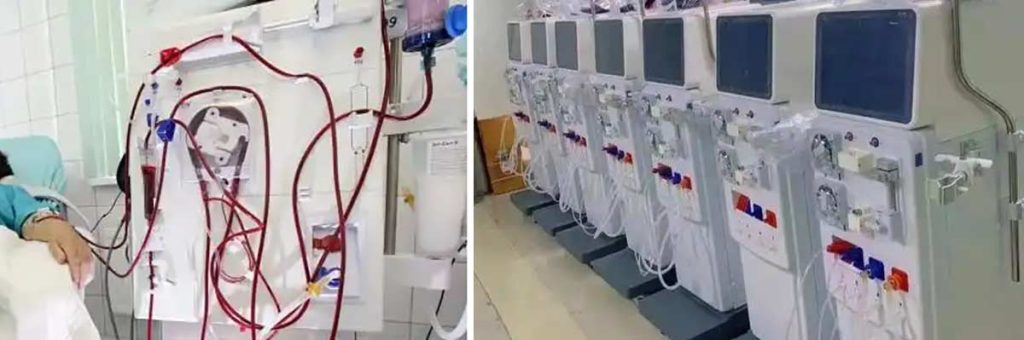
A dialysis blanket must be easy to clean and maintain. Dialysis patients often spend long hours in treatment, making cleanliness a top priority. Regular washing helps prevent the buildup of bacteria and allergens, which is especially important for individuals with compromised immune systems. Blankets made from machine-washable materials like fleece or microfiber simplify the cleaning process. These fabrics retain their softness even after multiple washes, ensuring long-term comfort.
Tip: Choose blankets labeled as “machine washable” or “quick-dry” to save time and effort during maintenance.
Heated blankets may require more frequent laundering due to their use in colder environments. However, their warmth can provide significant comfort during treatment. Balancing ease of cleaning with the need for warmth ensures a practical and hygienic choice.
Portability for Travel
Dialysis patients who travel frequently need a blanket that is lightweight and portable. Compact blankets are easier to carry and store, making them ideal for use in different treatment centers or during travel. Foldable designs or blankets with carrying cases add convenience.
Materials like microfiber or thin fleece offer a good balance between warmth and portability. These fabrics are lightweight yet effective in providing comfort. Patients who prioritize portability should also consider the blanket’s size. A smaller blanket may be easier to pack but should still provide adequate coverage during treatment.
Note: A travel-friendly blanket ensures comfort and warmth, no matter where the treatment takes place.
Durability for Frequent Use
Frequent use requires a dialysis blanket to be durable. Patients often rely on their blankets during every session, which can lead to wear and tear over time. High-quality materials like microfiber or tightly woven cotton enhance durability. These fabrics resist pilling and maintain their texture even after repeated washing.
Stitching quality also plays a role in durability. Double-stitched edges or reinforced seams prevent fraying, ensuring the blanket lasts longer. Investing in a durable blanket reduces the need for frequent replacements, saving both time and money.
Tip: Look for blankets with strong stitching and high-quality materials to ensure they withstand regular use.
Dialysis Blanket Options for Different Needs
Hypoallergenic Choices for Sensitive Skin
Patients with sensitive skin often benefit from hypoallergenic dialysis blankets. These blankets use materials designed to minimize irritation and allergic reactions. Fabrics like organic cotton, bamboo, or microfiber are common choices. They are free from harsh chemicals and dyes, making them gentle on the skin. For individuals prone to rashes or eczema, hypoallergenic options provide a safe and comfortable solution.
A soft blanket for a dialysis patient should not only feel cozy but also protect against potential allergens. Many manufacturers label their products as hypoallergenic, ensuring patients can make informed decisions. Regular washing of these blankets further reduces the risk of allergens, enhancing their suitability for sensitive skin.
Electric Blankets for Extra Warmth
Electric blankets offer an excellent solution for patients who feel cold during dialysis treatments. These blankets provide consistent warmth, which can be adjusted to suit individual preferences. Patients often describe the experience of being cold during treatment as uncomfortable or even torturous. Heated blankets alleviate this discomfort, creating a more relaxing environment.
- Patients frequently report that heated blankets significantly improve their comfort during dialysis.
- A former nurse shared that patients expressed gratitude when provided with warm blankets, highlighting their positive impact.
- Public hospitals often offer heated blankets multiple times during treatments, reflecting their importance in patient care.
Electric blankets also provide emotional benefits. The warmth they offer helps patients feel secure and relaxed, reducing stress during long sessions. When selecting an electric blanket, dialysis patients should prioritize safety features like automatic shut-off and adjustable heat settings.
Lightweight Blankets for Portability
For patients who travel frequently, lightweight dialysis blankets are a practical choice. These blankets are easy to carry and store, making them ideal for use in different treatment centers or on the go. Materials like thin fleece or microfiber strike a balance between warmth and portability. Despite their light weight, they provide sufficient coverage and comfort.
Compact designs enhance convenience. Foldable blankets or those with carrying cases are particularly useful for travel. Patients should ensure that the blanket remains large enough to cover their torso and legs while being easy to pack. A lightweight, cozy blanket ensures comfort without adding unnecessary bulk, making it a versatile option for dialysis patients.
Wearable Blankets for Convenience
Wearable blankets offer a practical and comfortable solution for dialysis patients. These blankets combine warmth with functionality, allowing patients to stay cozy while maintaining mobility. Designed with sleeves or poncho-style openings, wearable blankets ensure that patients can move their arms freely without compromising warmth.
One of the key benefits of wearable blankets is their ability to stay securely in place. Traditional blankets may slip or require frequent adjustments, especially during long dialysis sessions. Wearable designs eliminate this issue by wrapping around the body like a garment. This feature proves especially useful for patients who need to access treatment sites on their arms or hands.
Tip: Look for wearable blankets with adjustable closures or snaps for a customized fit.
Wearable blankets also enhance convenience during treatment. Patients can easily read, use electronic devices, or enjoy a warm beverage without uncovering themselves. Many designs include pockets, which provide a handy place to store small items like phones, glasses, or snacks. These thoughtful additions make wearable blankets a versatile choice for dialysis patients.
Materials play a crucial role in the comfort of wearable blankets. Soft, lightweight fabrics like fleece or microfiber are common choices. These materials provide warmth without adding bulk, ensuring that patients remain comfortable throughout their session. Some wearable blankets also feature moisture-wicking properties, which help regulate body temperature and prevent overheating.
Note: Choose a wearable blanket that balances warmth, breathability, and ease of use for the best experience.
For patients seeking both comfort and practicality, wearable blankets offer an excellent option. Their unique design and thoughtful features make them a valuable addition to any dialysis session, ensuring warmth and convenience without sacrificing mobility.
Personalizing Your Dialysis Blanket
Selecting Colors and Patterns
Choosing the right colors and patterns for a dialysis blanket can make a significant difference in creating a comforting experience. Bright and cheerful colors, such as yellow or light blue, can uplift the mood during long treatment sessions. Patterns like floral designs, geometric shapes, or even themed prints (e.g., animals or nature) add a personal touch. For those who prefer a minimalist style, solid colors in neutral tones like gray or beige offer a calming effect.
Patients often find that selecting a blanket in their favorite color or a pattern that reflects their personality enhances their sense of ownership. This small detail can transform a functional item into something that feels uniquely theirs.
Adding Embroidery or Monograms
Adding embroidery or monograms to a dialysis blanket personalizes it further. A monogram with initials or a short name adds a touch of elegance and individuality. Embroidered messages, such as “Stay Strong” or “You’ve Got This,” can provide encouragement during challenging moments.
Embroidery also makes the blanket easily identifiable, especially in shared spaces like clinics. Many services offer custom embroidery options, allowing patients to choose fonts, thread colors, and designs. This customization ensures the blanket feels special and tailored to their needs.
Incorporating Sentimental Touches

Incorporating sentimental elements into a dialysis blanket can provide emotional comfort. Adding patches from meaningful events, such as a family reunion or a favorite vacation, creates a sense of connection. Photos printed onto fabric or sewn-in keepsakes, like a small pocket for a lucky charm, can make the blanket even more special.
These sentimental touches remind the patient of loved ones and cherished memories, offering a source of strength during treatment. A personalized blanket becomes more than just a source of warmth—it becomes a symbol of support and resilience.
Conclusion
Selecting the right dialysis blanket can transform a challenging treatment into a more comfortable and manageable experience. A well-chosen blanket balances comfort, practicality, and personalization, ensuring warmth and relaxation during long sessions. Dialysis patients benefit from options tailored to their needs, whether it’s hypoallergenic materials, electric warmth, or wearable designs.
“If I was in center, it would practically be torture to let someone feel that cold. I can’t see any reason that blankets can’t be offered.”
A dialysis blanket is more than just a functional item. It can serve as one of the most meaningful gifts for dialysis patients, offering both physical comfort and emotional support. For loved ones, it also makes the perfect gift for dialysis patients, combining utility with thoughtfulness. By choosing a blanket that aligns with individual preferences, patients can enjoy relaxation and stress relief items that make each session more bearable. The right blanket not only provides warmth but also becomes a source of entertainment and comfort, making it an essential companion for dialysis.