


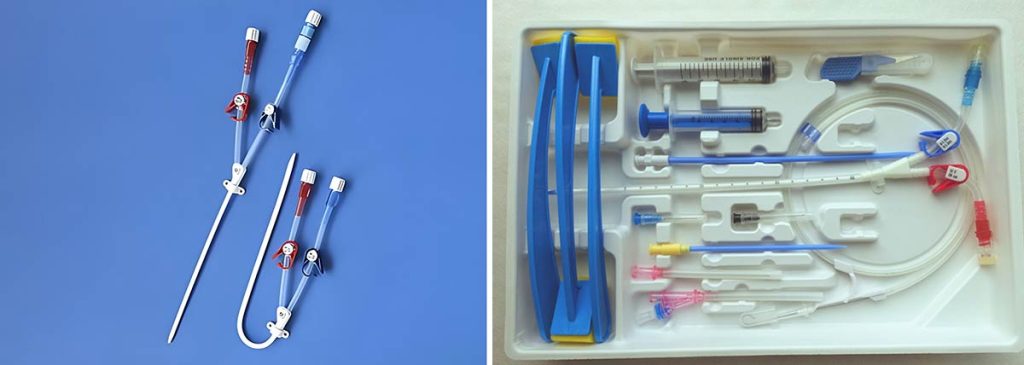
Dialysis ports play a vital role in ensuring effective dialysis treatment by providing access to the bloodstream or abdominal cavity. These ports are essential for patients undergoing hemodialysis or peritoneal dialysis. The different types of dialysis ports include the Central Venous Catheter (CVC), Arteriovenous (AV) Fistula, AV Graft, and Peritoneal Dialysis (PD) Catheter. Each type serves a unique purpose and suits specific medical conditions. For example, laparoscopic techniques used in placing PD catheters often result in shorter hospital stays and reduced postoperative pain. Understanding different types of dialysis ports helps patients and caregivers make informed decisions about treatment options.
Key Takeaways
- Dialysis ports give access for treatment, helping dialysis patients.
- Central Venous Catheters (CVCs) provide quick access for urgent dialysis but are temporary.
- Arteriovenous (AV) Fistulas are long-term and lower infection risks while helping with hemodialysis.
- AV Grafts are good for patients with weak veins and allow effective dialysis.
- Peritoneal Dialysis Catheters let patients do treatments at home, giving them more freedom.
Central Venous Catheter (CVC)
Overview of Central Venous Catheters
A central venous catheter is a type of dialysis catheter used for immediate access to the bloodstream. It is a thin, flexible tube inserted into a large vein, typically in the neck, chest, or groin. This catheter allows healthcare providers to perform the hemodialysis procedure without delay. Unlike other dialysis access options, a central venous catheter is often used as a temporary solution. It is particularly useful for patients who require urgent dialysis or those waiting for long-term access, such as an arteriovenous fistula.
The placement of a central venous catheter involves a minor surgical procedure. During dialysis catheter placement, the healthcare provider ensures the catheter is positioned correctly to allow efficient blood flow. This type of catheter is designed with two lumens, one for drawing blood out of the body and the other for returning it after filtration.
Functions of CVCs in Dialysis
Central venous catheters play a critical role in the hemodialysis process. They provide a direct pathway for blood to flow between the dialysis patient and the dialysis machine. This ensures that the hemodialysis procedure can remove toxins, excess fluids, and waste products effectively. The dual-lumen design of the catheter facilitates continuous blood circulation during dialysis treatment.
In addition to their role in hemodialysis, these catheters are essential for patients who cannot undergo other forms of dialysis access. They serve as a bridge for patients transitioning to more permanent solutions. The ability to use a central venous catheter immediately after placement makes it a vital option in emergency situations.
Ideal Use Cases for CVCs
Central venous catheters are ideal for short-term dialysis needs. They are commonly used for dialysis patients who require immediate hemodialysis due to acute kidney failure. These catheters are also suitable for individuals who are not candidates for other types of dialysis access, such as an arteriovenous fistula or graft.
Patients awaiting dialysis catheter placement for long-term access often rely on a central venous catheter. It provides a temporary yet effective solution until a more permanent option becomes available. However, due to the risk of infection and other complications, healthcare providers recommend using this type of catheter only when necessary.
Arteriovenous (AV) Fistula
Overview of AV Fistulas
An arteriovenous fistula is a surgical connection between an artery and a vein. This connection creates a robust blood vessel capable of handling the high blood flow required for hemodialysis. Surgeons typically create an AV fistula in the arm, either in the wrist or elbow region. The procedure involves joining an artery directly to a vein, allowing the vein to grow larger and stronger over time. This process, known as maturation, can take several weeks to months.
Unlike a dialysis catheter, an AV fistula is a long-term solution for hemodialysis access. It reduces the risk of infection and clotting, which are common complications with other types of access. Patients with an arteriovenous fistula often experience fewer interruptions in their dialysis treatment due to its durability and reliability.
Functions of AV Fistulas in Dialysis Access
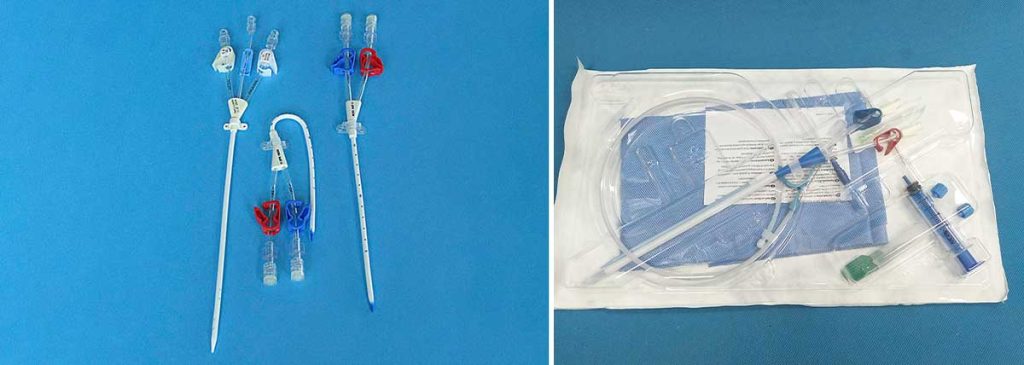
The primary function of an AV fistula is to provide a reliable site for hemodialysis. The high blood flow through the fistula ensures efficient removal of toxins, waste products, and excess fluids from the bloodstream. This makes it an essential component of hemodialysis access.
The enlarged vein created by the fistula allows healthcare providers to insert dialysis needles easily. This simplifies the process of connecting the dialysis patient to the dialysis machine. Additionally, the strong blood flow minimizes the risk of clot formation, ensuring consistent and effective treatment sessions.
Compared to a dialysis catheter, an AV fistula offers superior performance and longevity. It is less prone to infections and other complications, making it a preferred choice for long-term dialysis patients.
When to Choose an AV Fistula?
Patients requiring long-term hemodialysis often benefit from an AV fistula. It is ideal for individuals who can wait for the maturation period before starting treatment. Healthcare providers recommend this option for patients with good vascular health, as the success of the procedure depends on the quality of the blood vessels.
An AV fistula is not suitable for everyone. Patients with small or weak veins may need alternative options, such as a graft or dialysis catheter. However, for those who qualify, an arteriovenous fistula provides a durable and effective solution for hemodialysis access. Its ability to support repeated treatments over many years makes it a valuable choice for managing chronic kidney disease.
Arteriovenous (AV) Graft
Overview of AV Grafts
An arteriovenous graft is a synthetic tube used to connect an artery to a vein. This connection creates a durable access point for hemodialysis. Unlike an arteriovenous fistula, which relies on the patient’s natural blood vessels, an AV graft uses a man-made material to form the link. Surgeons typically place the graft under the skin in the arm or, in some cases, the leg. The procedure is relatively quick, and the graft becomes usable within two to three weeks after placement.
The AV graft provides a reliable alternative for dialysis patients whose veins are too small or weak to support an arteriovenous fistula. Its design ensures consistent blood flow, which is essential for effective hemodialysis. However, because it involves synthetic material, the graft may carry a higher risk of infection or clotting compared to a fistula.
Functions of AV Grafts in Dialysis
The primary function of an AV graft is to facilitate hemodialysis by providing a stable access point. During treatment, healthcare providers insert needles into the graft to connect the patient to the dialysis machine. The machine then removes toxins, excess fluids, and waste products from the bloodstream. The graft’s synthetic material ensures durability, allowing it to withstand repeated needle insertions.
An AV graft also supports patients who cannot use other forms of dialysis access. For example, individuals with damaged or unsuitable veins may rely on this option. The graft’s ability to handle high blood flow ensures efficient dialysis sessions, making it a vital tool for managing chronic kidney disease.
Best Scenarios for AV Graft Use
An AV graft is ideal for patients who need long-term hemodialysis but cannot undergo an arteriovenous fistula procedure. It suits individuals with small or fragile veins that cannot support the high blood flow required for dialysis. Additionally, the graft’s relatively short maturation period makes it a practical choice for those who cannot wait several months for a fistula to develop.
Patients with a history of failed fistulas may also benefit from an AV graft. While it carries a slightly higher risk of complications, proper care and regular monitoring can minimize these issues. For many, the graft provides a dependable solution for maintaining consistent dialysis treatments.
Peritoneal Dialysis (PD) Catheter
Overview of PD Catheters
A peritoneal dialysis catheter is a soft, flexible tube designed to provide dialysis access for patients undergoing peritoneal dialysis. Surgeons place the catheter into the abdominal cavity through a minor surgical procedure. The catheter remains in place permanently, allowing patients to perform dialysis treatments at home. It typically features multiple openings at the end to ensure efficient fluid exchange during the procedure.
The placement of a peritoneal dialysis catheter requires careful planning. Healthcare providers evaluate the patient’s abdominal area to determine the best insertion site. Once placed, the catheter allows the dialysis solution to flow into the abdominal cavity, where it absorbs waste products and excess fluids.
Functions of PD Catheters in Peritoneal Dialysis
The primary function of a peritoneal dialysis catheter is to facilitate the exchange of dialysis solution between the abdominal cavity and the external environment. During peritoneal dialysis, the catheter allows the solution to enter the abdomen, where it interacts with the peritoneal membrane. This membrane acts as a natural filter, removing toxins and waste products from the bloodstream.
After a set period, the catheter enables the removal of the used solution, which contains the filtered waste. This process, known as an exchange, can be repeated multiple times daily. The catheter’s design ensures a secure and efficient connection, making it a vital component of peritoneal dialysis.
When to Use a PD Catheter?
A peritoneal dialysis catheter is ideal for patients who prefer home-based dialysis treatments. It suits individuals with chronic kidney disease who want to maintain a more flexible lifestyle. This option is also beneficial for patients who cannot undergo hemodialysis due to vascular access issues.
Healthcare providers recommend a PD catheter for those who can manage their dialysis schedule independently or with minimal assistance. It offers a less invasive alternative to hemodialysis, reducing the need for frequent hospital visits. Proper care and maintenance of the catheter are essential to prevent infections and ensure long-term success.
Choosing the Right Dialysis Port
Key Factors to Consider
Selecting the best access type for dialysis involves evaluating several critical factors. The patient’s overall health condition plays a significant role. For example, individuals with strong veins may benefit from an arteriovenous (AV) fistula, while those with weaker veins might require an AV graft. The urgency of treatment also matters. Patients needing immediate hemodialysis often rely on a central venous catheter (CVC) as a temporary solution.
Another important consideration is the risk of complications. Each type of dialysis access carries unique risks, such as infection or clotting. Dialysis patients and healthcare providers must weigh these risks against the benefits of each option. Additionally, the patient’s ability to care for the access site influences the decision. Proper maintenance is essential to prevent infections and ensure long-term success.
Role of Medical Consultation in Dialysis Access
Medical consultation is vital when choosing among the different dialysis access types. Healthcare providers assess the patient’s medical history, vascular health, and lifestyle to recommend the most suitable option. They also explain the advantages and disadvantages of each type, helping patients make informed decisions.
During the consultation, doctors may use diagnostic tools to evaluate the patient’s veins and arteries. This ensures that the chosen access type will function effectively. Regular follow-ups allow healthcare providers to monitor the access site and address any complications promptly. Their expertise ensures that patients receive the best possible care.
Matching Dialysis Access to Lifestyle and Health Needs
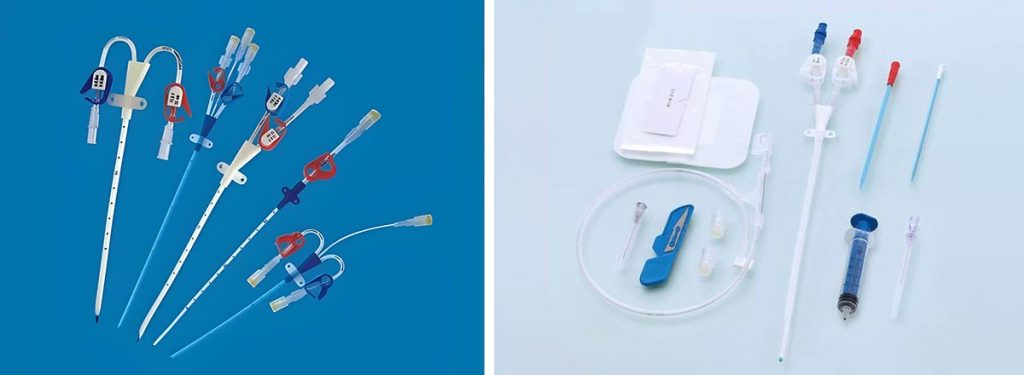
The best access type for dialysis should align with the patient’s lifestyle and health requirements. For individuals who prefer home-based treatments, a peritoneal dialysis (PD) catheter offers flexibility and independence. On the other hand, patients undergoing frequent hemodialysis sessions at a clinic may benefit from an AV fistula or graft.
Patients with active lifestyles may prioritize options that minimize restrictions on daily activities. For example, a PD catheter allows for greater mobility compared to a CVC. Conversely, individuals with limited mobility might prefer options that require less maintenance. By considering these factors, patients can choose a dialysis access type that supports their quality of life.
Conclusion
Understanding the different types of dialysis ports ensures patients receive effective treatment tailored to their needs. Choosing the right access type depends on health conditions, lifestyle, and medical advice. Proper care and maintenance play a critical role in preventing complications and ensuring long-term success.
Studies highlight the need for improved self-care practices among dialysis patients:
- Average self-management scores were 43.57 ± 6.53 out of 55, showing room for improvement.
- 97.7% of patients demonstrated inadequate care for arteriovenous fistulas.
- Suboptimal adherence to dietary guidelines ranged from 37.1–61.4%.
Patients who prioritize self-care can enhance the effectiveness of their hemodialysis treatments and overall well-being.