


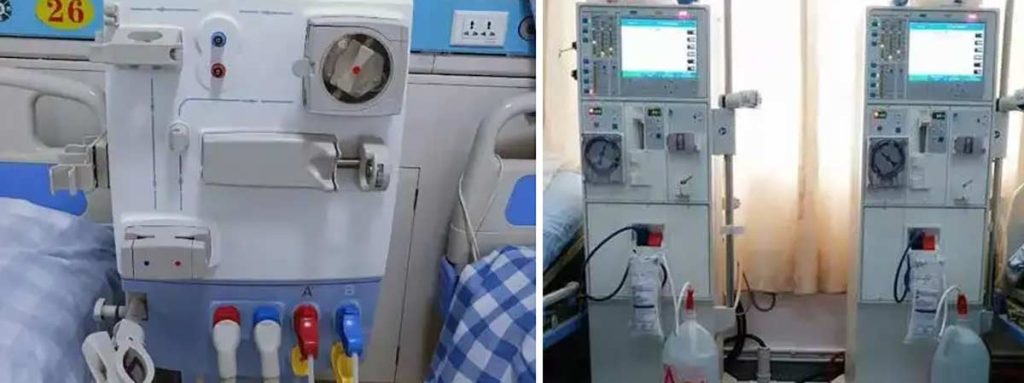
Dialysis clamps are specialized devices designed to control or restrict fluid flow in medical and laboratory environments. These tools play a vital role in ensuring the smooth operation of procedures that involve dialysis tubing or fluid lines. Their application enhances safety by preventing accidental leaks and maintaining precise control over fluid movement. In medical settings, dialysis clamps contribute to patient care by supporting critical processes like hemodialysis. Laboratory professionals rely on these clamps to achieve accuracy in experiments. Their design prioritizes efficiency, making them indispensable in both healthcare and research fields.
Key Takeaways
- Dialysis clamps manage fluid flow, keeping medical procedures safe.
- They stop bleeding after removing needles, protecting patients from harm.
- In labs, these clamps control liquid flow, avoiding leaks and errors.
- Their grip and adjustable pressure keep tubes safe from breaking.
- Reusable clamps save money and help the environment in healthcare and labs.
Uses of Dialysis Clamps in Medical Settings
Role in Hemodialysis
Regulating Blood Flow During Dialysis Procedures
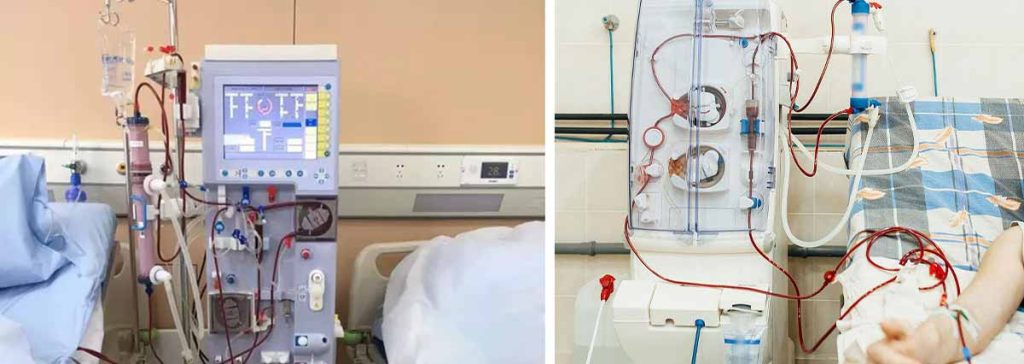
Dialysis clamps play a crucial role in managing blood flow during hemodialysis. These devices ensure a continuous and controlled flow of blood through the hemodialysis machine, which is vital for the procedure’s success. By maintaining steady blood flow regulation, they help prevent complications such as air entering the bloodstream. This feature enhances patient safety and ensures the effectiveness of the treatment. The design of dialysis clamps also minimizes the risk of accidental dislodgment, which could disrupt the procedure.
Ensuring Hemostasis After Needle Removal
After completing a dialysis session, achieving hemostasis is essential to prevent excessive bleeding. Dialysis clamps assist in this process by securely clamping the tubing or access site. This action helps stop blood flow temporarily, allowing the body to form a clot naturally. Their non-slip design ensures they remain in place, providing reliable support during this critical phase. Medical professionals rely on these clamps to enhance patient safety and streamline post-dialysis care.
Applications in Other Medical Procedures
Managing Intravenous Fluid Lines
In various medical procedures, dialysis clamps are used to manage intravenous fluid lines effectively. They allow healthcare providers to control the flow of fluids with precision, ensuring patients receive the correct dosage. This level of control reduces the risk of overhydration or underhydration, which can have serious consequences. The adjustable pressure feature of these clamps prevents damage to the tubing, maintaining the integrity of the fluid delivery system.
Securing Dialysis Bags to Prevent Leakage
Dialysis bags require secure handling to avoid leakage during use. Dialysis clamps provide a reliable solution by tightly sealing the bags, preventing any fluid from escaping. This feature is particularly important in maintaining a sterile environment and avoiding contamination. Their durable construction ensures they can withstand repeated use, making them a cost-effective choice for medical facilities.
Applications of Dialysis Clamps in Laboratory Settings
Fluid Management in Experiments
Controlling Liquid Flow in Dialysis Tubing
Dialysis clamps are essential for managing liquid flow in laboratory experiments. Researchers use these clamps to regulate the movement of fluids through dialysis tubing. This control ensures that the desired flow rate is maintained throughout the experiment. By adjusting the clamp’s pressure, scientists can prevent leaks or blockages, which could compromise the results. The ability to fine-tune liquid flow makes dialysis clamps a reliable tool for experiments requiring precision.
Ensuring Precision in Chemical and Biological Experiments
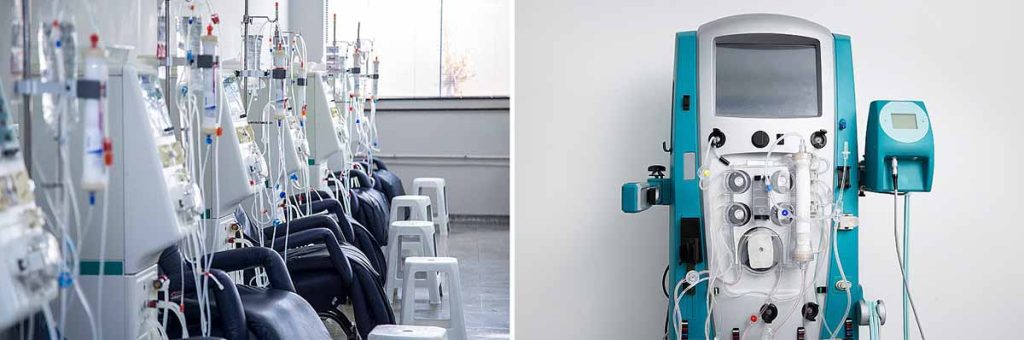
In chemical and biological research, accuracy is critical. Dialysis clamps help maintain this accuracy by providing consistent control over fluid transfer. For example, during experiments involving dialysis membranes, these clamps ensure that solutions flow at a steady rate. This consistency minimizes errors and enhances the reliability of the data collected. Their durable design also supports repeated use, making them a cost-effective choice for laboratories.
Use in Research and Development
Supporting Dialysis Membrane Testing
Dialysis membrane testing often requires precise control of fluid dynamics. Dialysis clamps play a key role in this process by securing the membranes and regulating the flow of liquids. This control allows researchers to evaluate the performance of membranes under various conditions. The clamps’ adjustable features ensure that the membranes remain intact, preventing damage during testing. Their contribution to this field supports advancements in medical and industrial applications.
Assisting in Pharmaceutical and Biomedical Research
Pharmaceutical and biomedical research frequently involves processes of dialysis. Dialysis clamps assist researchers by providing a secure and controlled environment for experiments. They help manage fluid flow in dialysis, ensuring that the experimental conditions remain stable. This stability is crucial for developing new drugs and medical devices. The versatility of these clamps makes them an indispensable tool in research and development settings.
Safety Features and Benefits of Dialysis Clamps
Key Safety Features
Non-Slip Design for Secure Clamping
Dialysis clamps feature a non-slip design that ensures secure clamping during use. This design prevents accidental dislodgment of tubing or fluid lines, which could disrupt procedures. Medical professionals rely on this feature to maintain the integrity of the dialysis delivery system. The non-slip surface provides a firm grip, even in environments where moisture or fluids are present. This reliability enhances safety and minimizes the risk of complications.
Adjustable Pressure to Prevent Tubing Damage
The adjustable pressure mechanism in dialysis clamps allows users to control the force applied to tubing. This feature prevents damage to delicate materials, ensuring the longevity of the dialysis delivery system. By customizing the pressure, healthcare providers can avoid over-tightening, which could lead to leaks or blockages. Laboratory researchers also benefit from this feature, as it supports precision in experiments involving sensitive equipment.
Benefits in Medical and Laboratory Use
Reliability in Critical Procedures
Dialysis clamps offer unmatched reliability in critical medical and laboratory procedures. Their robust construction ensures consistent performance, even under demanding conditions. In a dialysis delivery system, these clamps maintain steady fluid flow, which is essential for patient safety and procedural success. Researchers also depend on their reliability to achieve accurate results in experiments and testing.
Reusability and Cost-Effectiveness
The reusability of dialysis clamps makes them a cost-effective choice for medical and laboratory settings. Their durable materials withstand repeated use without compromising performance. This feature reduces waste and supports sustainability in healthcare and research environments. In a dialysis delivery system, reusability ensures that facilities can manage resources efficiently while maintaining high standards of care and precision.
Tip: Regular maintenance and cleaning of dialysis clamps can extend their lifespan and ensure optimal performance in any dialysis delivery system.
Conclusion
Dialysis clamps serve as indispensable tools in medical and laboratory environments. Their ability to regulate fluid flow ensures safety and precision during critical procedures. In medical settings, these clamps enhance patient care by supporting hemodialysis and intravenous fluid management. Laboratory researchers rely on their durability and accuracy to achieve reliable experimental results. By improving efficiency and minimizing risks, dialysis clamps contribute to better outcomes for patients and advancements in scientific research. Their versatility and cost-effectiveness make them valuable assets in healthcare and innovation.
FAQ
What Is the Purpose of a Dialyzer in Hemodialysis?
A dialyzer acts as an artificial kidney during hemodialysis. It filters waste, toxins, and excess fluids from the blood. This process helps maintain the patient’s health by mimicking the natural function of healthy kidneys.
How Does Dialysate Work in Dialysis?
Dialysate is a special fluid used in dialysis to remove waste and balance electrolytes. It flows alongside the blood in the dialyzer, allowing the exchange of substances through a semi-permeable membrane.
Can Dialysis Clamps Be Used with All Dialysis Equipment?
Dialysis clamps are compatible with most dialysis equipment, including tubing and bags. Their adjustable design ensures they fit securely without causing damage, making them versatile tools in medical and laboratory settings.
Why Is Precision Important When Using Dialysis Clamps?
Precision ensures the correct flow of blood or dialysate during procedures. Accurate control prevents complications like leaks or blockages, which could compromise patient safety or experimental results.
Are Dialysis Clamps Reusable?
Yes, dialysis clamps are reusable when properly cleaned and maintained. Their durable materials allow repeated use, making them cost-effective for both medical and laboratory applications.