


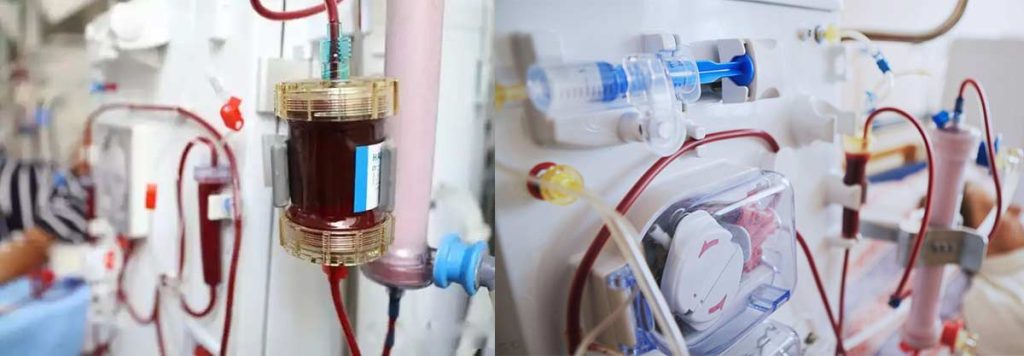
Hemodialysis relies on a dependable connection to the bloodstream. Among the available options, arteriovenous (AV) fistulas stand out as the most effective and durable choice. AV fistulas connect an artery to a vein, enabling efficient blood flow for dialysis. Surgeons achieve a high success rate of 98% when creating these fistulas, although early complications like bleeding occur in only 1% of cases. The three main types of fistula for dialysis—radiocephalic, brachiocephalic, and transposed brachiobasilic—offer tailored solutions based on the patient’s unique vascular anatomy.
Key Takeaways
- Arteriovenous (AV) fistulas work best for dialysis and last long. They succeed 98% of the time.
- There are three main types of AV fistulas: radiocephalic, brachiocephalic, and transposed brachiobasilic. Each fits different patient needs based on their veins.
- Dialysis patients should check their fistula daily for infection or bad blood flow. This helps it work well during dialysis.
- Taking care of the fistula and seeing a doctor often keeps it healthy and avoids problems.
- Talking to a doctor helps patients pick the right fistula for their needs.
Types of Fistula for Dialysis
Radiocephalic Fistula
The radiocephalic fistula is the most common type of AV fistula created for hemodialysis. It connects the radial artery to the cephalic vein, typically at the wrist. This type of fistula is often the first choice for patients due to its lower risk of complications and long-term durability. Surgeons prefer this option for individuals with healthy veins and arteries in the forearm.
Clinical studies highlight the benefits of radiocephalic fistulas. For example, research by Weale AR et al. (2008) and Bhalodia R et al. (2011) demonstrates that these fistulas perform well in elderly patients and those with smaller veins. However, challenges such as longer maturation times and a higher risk of early failure compared to other types of fistulas exist.
Tip: Patients with a radiocephalic fistula should monitor their access site for signs of infection or poor blood flow to ensure optimal performance during hemodialysis.
Brachiocephalic Fistula
The brachiocephalic fistula connects the brachial artery to the cephalic vein, usually at the elbow. This type of AV fistula is often chosen when the veins in the forearm are unsuitable for creating a radiocephalic fistula. It offers a higher blood flow rate, making it an excellent option for patients requiring frequent or prolonged dialysis sessions.
Statistical data supports the effectiveness of brachiocephalic fistulas. Primary patency rates, which measure the time an access remains functional without intervention, range from 64% to 65% over two years, according to studies by Kazemzadeh et al. and Wang et al. Secondary patency rates, which include interventions to maintain functionality, are also favorable. However, older age and anatomical variations in the cephalic arch can negatively impact the success of this type of fistula.
- Advantages:
- Higher blood flow rates.
- Easier access for dialysis needles.
- Challenges:
- Increased risk of complications such as arm swelling and ecchymosis.
- Requires careful monitoring to prevent long-term issues.
Transposed Brachiobasilic Fistula
The transposed brachiobasilic fistula is a more complex type of AV fistula. It involves connecting the brachial artery to the basilic vein, which is then surgically transposed closer to the skin’s surface for easier access. This type of fistula is often used when other options are not viable due to poor vein quality or previous access failures.
Research indicates that transposed brachiobasilic fistulas offer anatomical advantages, such as larger vein size and deeper placement, which reduce the risk of infection. However, the surgical process is more intricate, and the maturation period is longer compared to other types of fistulas. Despite these challenges, this option provides a reliable solution for patients with limited vascular access.
Patients considering this type of fistula should discuss the potential benefits and risks with their healthcare provider. Proper post-surgical care is essential to ensure successful maturation and long-term functionality.
Comparing Fistulas to Other Dialysis Access Options
AV Fistulas vs. AV Grafts
Arteriovenous fistulas (AVFs) and arteriovenous grafts (AVGs) are two common options for dialysis access surgeries. Both connect an artery to a vein to facilitate blood flow during hemodialysis. However, they differ significantly in structure, longevity, and performance.
An AV fistula is created by directly connecting an artery to a vein, allowing the vein to strengthen and enlarge over time. This natural connection reduces the risk of infection and clotting, making it a preferred choice for many patients. In contrast, an arteriovenous graft uses a synthetic tube to link the artery and vein. While this option provides quicker access for dialysis, it carries a higher risk of complications such as infection and thrombosis.
The benefits of AV fistulas include their durability and lower maintenance requirements. Studies show that AVFs last longer than AVGs, with fewer interventions needed to maintain functionality. However, AVFs require a longer maturation period, which can delay the start of hemodialysis. For patients with poor vein quality or those needing immediate dialysis, an AVG may be a more practical choice.
Note: Patients should discuss their vascular health and treatment timeline with their healthcare provider to determine the most suitable option.
AV Fistulas vs. Central Venous Catheters
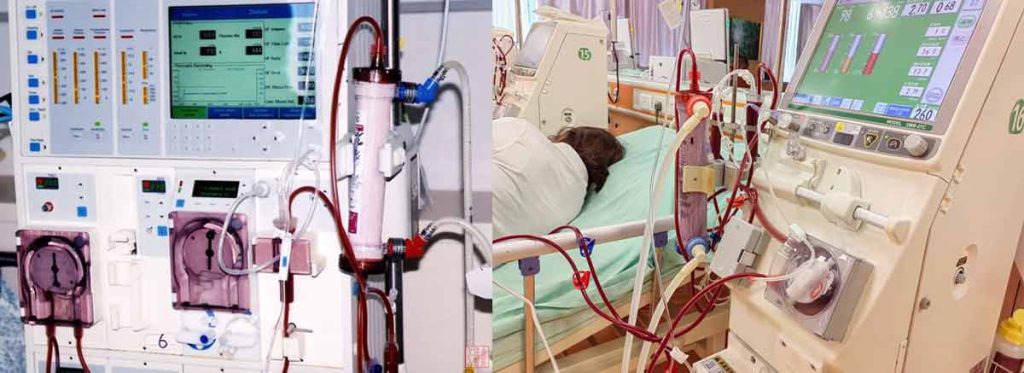
Central venous catheters (CVCs) are another alternative for dialysis access. Unlike AV fistulas or grafts, CVCs are temporary solutions inserted into a large vein, typically in the neck or chest. While they provide immediate access for hemodialysis, they are associated with higher risks and lower overall performance.
The following table highlights key differences between AV fistulas and central venous catheters:
| Access Type | Infection Risk | Overall Performance | Morbidity and Mortality |
|---|---|---|---|
| Central Venous Catheters | Higher | Lower | Increased |
| Arteriovenous Fistulas | Lower | Higher | Decreased |
AV fistulas offer significant advantages over CVCs, including reduced infection rates and improved long-term outcomes. Dialysis patients using AVFs experience fewer hospital visits and complications compared to those relying on catheters. However, the creation of an AV fistula requires dialysis fistula surgery, which involves a longer preparation period. In contrast, CVCs are often used as a temporary measure while waiting for an AV fistula to mature.
Why AV Fistulas Are the Gold Standard for Dialysis Access?
Arteriovenous fistulas are widely regarded as the gold standard for hemodialysis access due to their superior performance and patient outcomes. They are associated with lower morbidity and mortality rates compared to other access methods. Patients with AVFs report higher satisfaction levels, citing fewer complications and better functionality during dialysis sessions.
Research supports the benefits of AV fistulas, despite challenges such as primary failure and extended maturation times. Both radiologically and surgically created AVFs demonstrate excellent long-term results. These advantages make AVFs the preferred choice for most patients undergoing dialysis access surgeries.
The durability and reliability of AV fistulas stem from their natural connection between an artery and a vein. This design minimizes the risk of infection and clotting, ensuring consistent blood flow for hemodialysis. While other options like brachial basilic fistula or brachial cephalic fistula may be considered based on individual anatomy, the benefits of AV fistulas often outweigh their initial challenges.
Dialysis patients should consult their healthcare provider to explore the types of AV fistula available and determine the best option for their needs. Proper care and monitoring are essential to maximize the benefits of AV fistulas and ensure successful dialysis outcomes.
The Procedure for Creating a Dialysis Fistula
Preparing for Surgery
Creating a dialysis fistula begins with thorough preparation. Surgeons evaluate the patient’s vascular health to determine the most suitable type of fistula. This evaluation includes imaging tests like ultrasound to assess vein and artery size. Dialysis patients receive guidance on maintaining optimal health before surgery, such as managing blood pressure and avoiding smoking. These steps ensure the best possible outcome for the procedure.
Tip: Patients should inform their healthcare provider about any medications or supplements they are taking to avoid complications during surgery.
The Surgical Process
The surgical creation of a dialysis fistula involves connecting an artery to a vein to allow increased blood flow. This process strengthens the vein, making it suitable for hemodialysis. Surgeons often use advanced techniques, such as intra-operative vein dilation and modifications to the anastomosis, to improve outcomes. These methods have been shown to achieve a clinical maturation rate of 74-92% and a six-month cumulative patency rate of 79-93%.
The procedure typically lasts one to two hours and is performed under local anesthesia. Surgeons carefully monitor the patient’s condition throughout the operation. In some cases, surgical revisions may be necessary to enhance the fistula’s functionality. Studies indicate that these revisions result in a one-year primary patency rate of 73%, significantly higher than the 49% observed with endovascular interventions.
Recovery and Maturation
The recovery period after fistula surgery is crucial for its success. Patients are advised to avoid heavy lifting and strenuous activities to protect the surgical site. The maturation process, during which the fistula becomes strong enough for hemodialysis, takes time. On average, this period lasts 95 days, with an interquartile range of 51 to 231 days.
During this phase, healthcare providers monitor the fistula’s development through regular check-ups. Approximately 87% of patients achieve successful maturation, with cumulative patency rates of 94.3% at 12 months and 91.7% at 24 months. Functional patency rates for two-needle cannulation are also high, reaching 95.7% at 12 months and 92.7% at 24 months. These statistics highlight the importance of proper care and monitoring during recovery.
Patients should follow their healthcare provider’s instructions closely to ensure the fistula matures effectively. This includes maintaining a healthy lifestyle and attending all scheduled appointments.
Risks and Complications of Dialysis Fistulas
Common Risks
Dialysis fistulas, while effective, come with certain risks. These complications often occur shortly after surgery or during the early stages of use. Studies utilizing data from the National Health Insurance Research Database (NHIRD) in Taiwan reveal that primary failure rates for arteriovenous fistulas range from 20% to 60%. Factors such as sex, weight, and phosphorus levels in patients with end-stage renal disease (ESRD) significantly influence these outcomes.
Common risks include:
- Bleeding: This may occur at the surgical site shortly after the procedure.
- Infection: Poor hygiene or improper care can lead to infections, which may require medical intervention.
- Clotting: Blood clots can form within the fistula, obstructing blood flow and reducing its effectiveness.
- Swelling and Bruising: These are typical post-surgical effects but usually resolve within a few weeks.
Patients should remain vigilant for these issues and report any concerns to their healthcare provider promptly.
Long-Term Complications
Over time, dialysis fistulas may develop complications that affect their functionality. Stenosis, or narrowing of the blood vessels, is a common issue that can reduce blood flow. This condition often requires intervention, such as angioplasty, to restore proper function. Additionally, aneurysms, or bulging of the vein, may form due to repeated needle insertions.
Long-term complications also include:
- Infection: Chronic infections can occur if the fistula is not properly maintained.
- Heart Strain: Increased blood flow through the fistula may place additional strain on the heart, particularly in patients with pre-existing cardiac conditions.
Regular monitoring and timely interventions are essential to address these complications effectively.
Maintaining Fistula Health
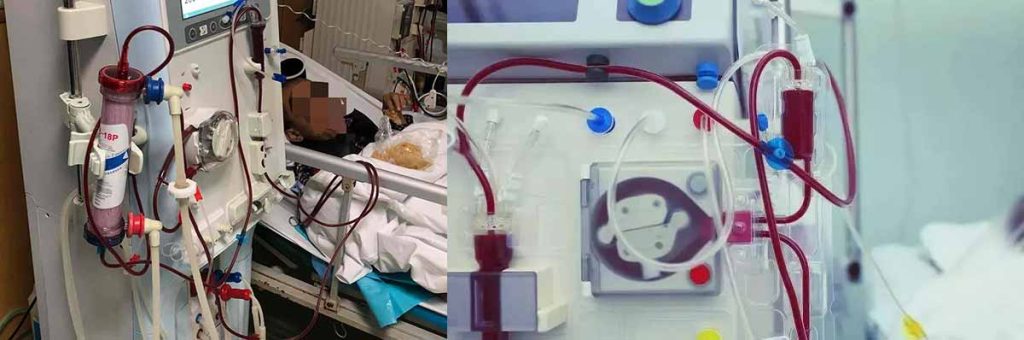
Proper care plays a crucial role in ensuring the longevity and functionality of a dialysis fistula. Dialysis patients should follow best practices to minimize risks and maintain optimal performance. These include:
- Daily Monitoring: Check for signs of infection, such as redness, swelling, or warmth. Feel for the “thrill,” a vibration indicating proper blood flow.
- Hygiene: Keep the fistula site clean and dry to prevent infections.
- Protection: Avoid tight clothing and activities that may place pressure on the fistula.
- Prompt Action: Report any changes, such as pain or reduced blood flow, to a healthcare provider immediately.
Educating patients about these practices can significantly improve outcomes. Regular check-ups and imaging tests also help detect potential issues early, ensuring the fistula remains a reliable dialysis access option.
Tip: Patients should avoid sleeping on the arm with the fistula to prevent unnecessary pressure and potential complications.
Conclusion
Arteriovenous (AV) fistulas remain a cornerstone of hemodialysis, providing a reliable and durable option for accessing the bloodstream. The three primary types—radiocephalic, brachiocephalic, and transposed brachiobasilic—offer tailored solutions based on individual vascular anatomy and needs.
Note: Consulting a healthcare provider ensures the selection of the most suitable fistula type for each patient.
Proper care and regular monitoring are essential for maintaining fistula health. Daily checks, hygiene practices, and prompt reporting of issues help minimize risks and ensure effective dialysis outcomes.